


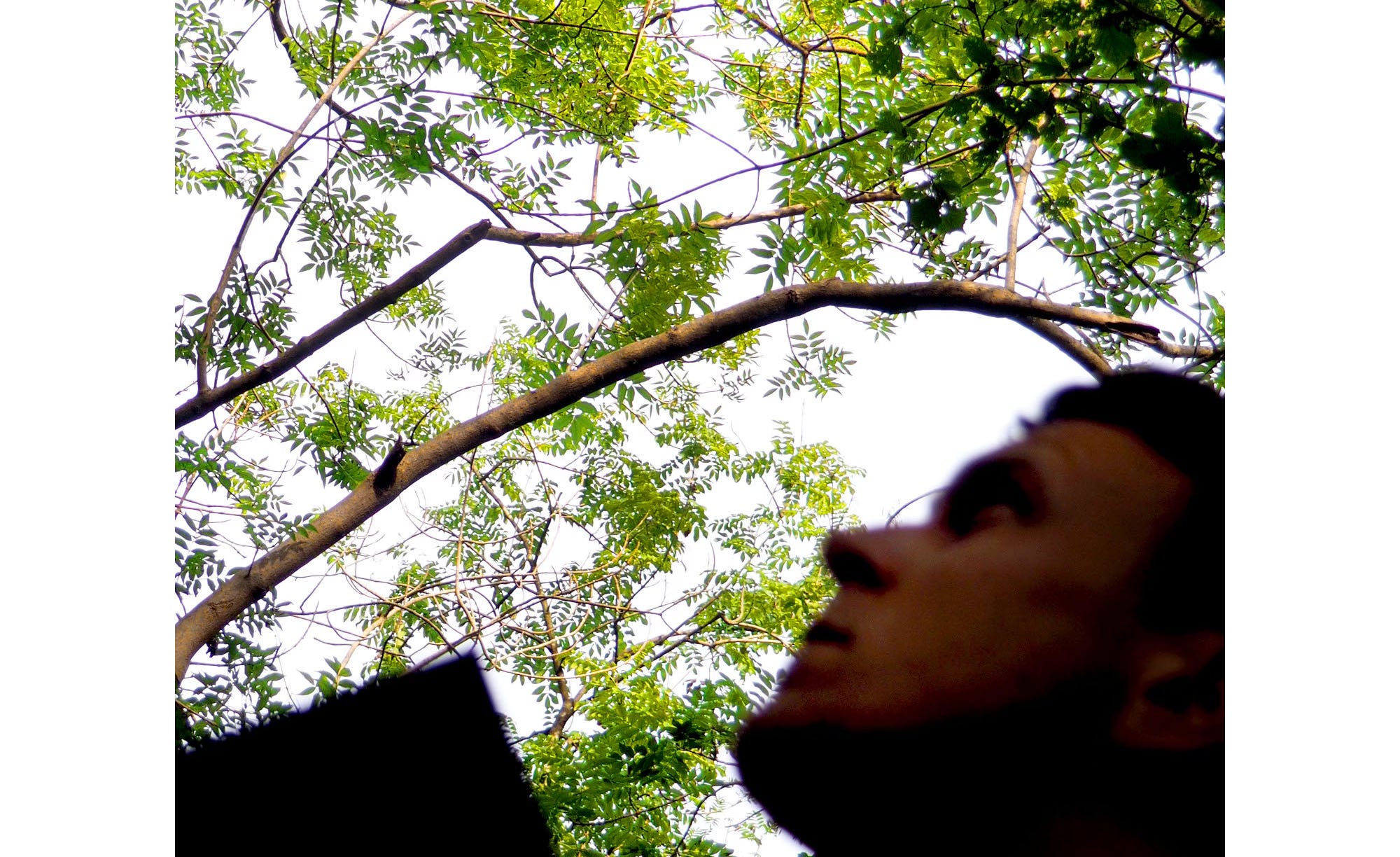
I’ve know writer Luke Barley since he was a ranger for the National Trust in the Peak District. I heard one day that he’d had an injury and was going to be off work for a while. Given his job at the time included felling and trimming trees, I assumed it was work related, but he’d actually been knocked out in a football match, which left him very ill for months, mentally and physically.
He later told me how gradually getting back to simple tree and hedge work in the Peak District helped him recover. The period of reflection also led to the writing of his book about the human history of British woodlands, Ancient, which won this year’s Wainwright Prize for Nature Writing.
He’s adapted an extract of Ancient for our full subscribers, below. He writes of how working in and simply experiencing woodlands can reduce stress and blood pressure, and simply make us feel better.
Ancient: Reviving the Woods That Made Britain by Luke Barley is published by Profile Books (RRP £25) . The paperback version is out in March.
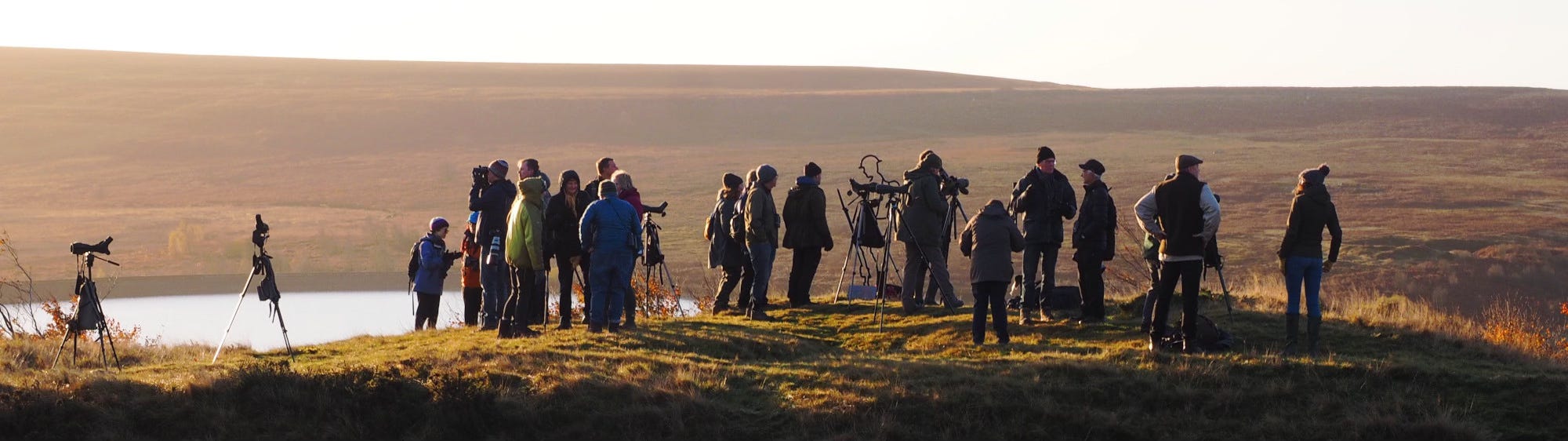
I visited early morning Redmires with Richard Hill from Sheffield Bird Study Group (SBSG) for this morning’s post. He and his colleagues have been collating the migration of birds to the outskirts of Sheffield for years, and SBSG are seen as national pioneers in the study of what’s often called visible migration.
That is, the incredible global bird migration patterns you can actually see happening in the skies and lakes around us, not just in maps and TV broadcasts.
Visible migration is happening right here, right now, and will continue through November and even into the winter, when birds like geese criss cross the country for food supplies.
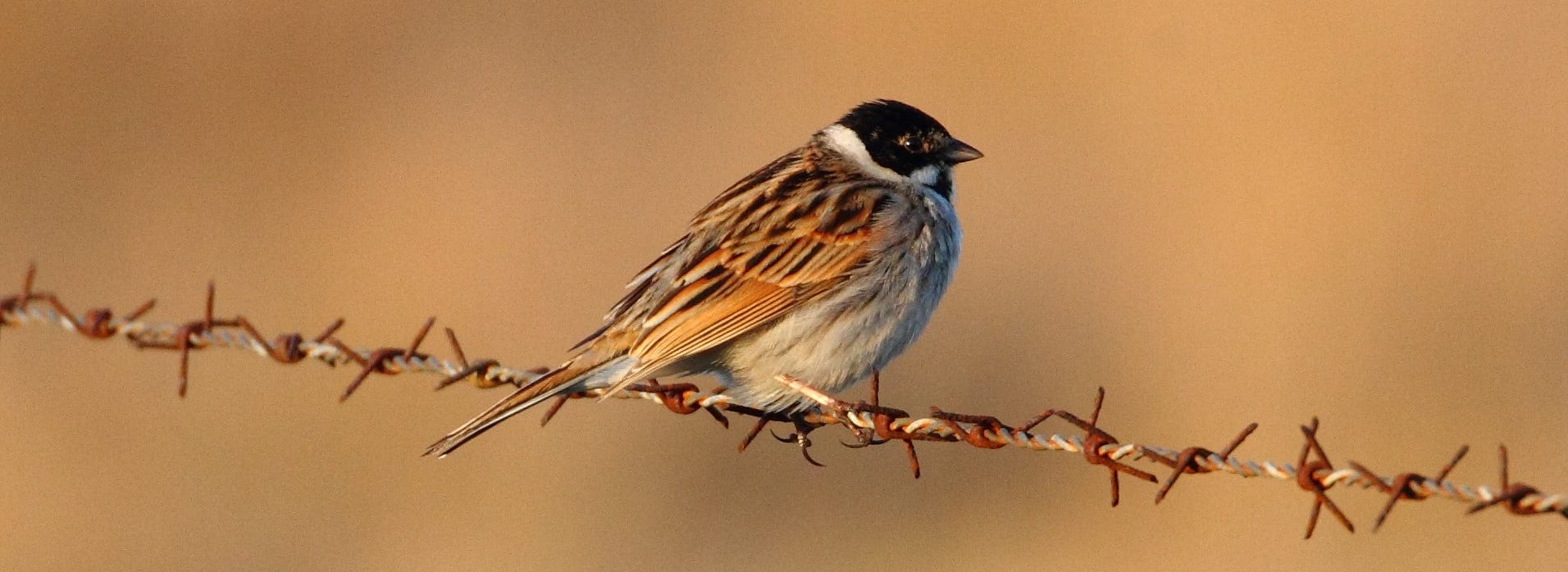
In our full post below, Richard’s fellow SBSG member Andy Deighton shares his brilliant photos of a few of the birds to look out for at Redmires, and around the city.
The rest of this post is for our wonderful 350+ full subscribers, who you can join below if you’d like to read all of everything we ever publish, and help us cover the costs of writing, researching and publishing it all.
Reaching our target of 380 full subscribers will make us a properly sustainable social enterprise: we have no clickbait algorithms to pay our bills, reader subscriptions are our only source of income, and at that level we’ll be able to bring in a few local freelances to help us publish this magazine, and Commoner’s Muck, celebrating the city’s voluntary wild space groups.
It takes 2 minutes to upgrade, for the cost of a posh coffee a month, or even less if you go annual.