


Morning. We’re watching early birds this week, along with news of PSPO plans to protect dry moorland and deter out of control dogs. There’s an update on Parkwood Springs and local parkrun, and how prize winning author Luke Barley sees the future of our woodlands.
It’s another packed post: could you help us keep all this (and more) coming to readers around the city every week? It’ll only set you back the cost of a posh coffee a month.
Out There News
Fire Fines And Dog Decrees - Public Space Protection Orders (PSPOs) are finally being planned to tackle two big issues in our wild spaces. During the heatwaves earlier this year we reported how staff and volunteers trying to guard our dry moorland from fire starters could call upon PSPOs on land under the jurisdiction of the High Peak, Derbyshire Dales and Staffordshire Moorlands local authorities.
Individuals found flouting the law by starting fires or barbecues could incur spot fines and court appearances as a result. But not at Burbage or Houndkirk or Carbrook Fields or anywhere covered by Sheffield Council, because we had no PSPO in place.
Meanwhile, a year ago we also reported on proposals from Sheffield Council to set up a code of conduct for dog walkers, and a voluntary registration scheme for dog walking professionals, which was due to begin this year.
I now hear plans have changed, with PSPOs to cover the behaviour of dog walkers and potential fire starters in our parks and countryside being worked up by the council. The city’s park users and wild space volunteers will be delighted, when it happens, hopefully in time for the next hot season.
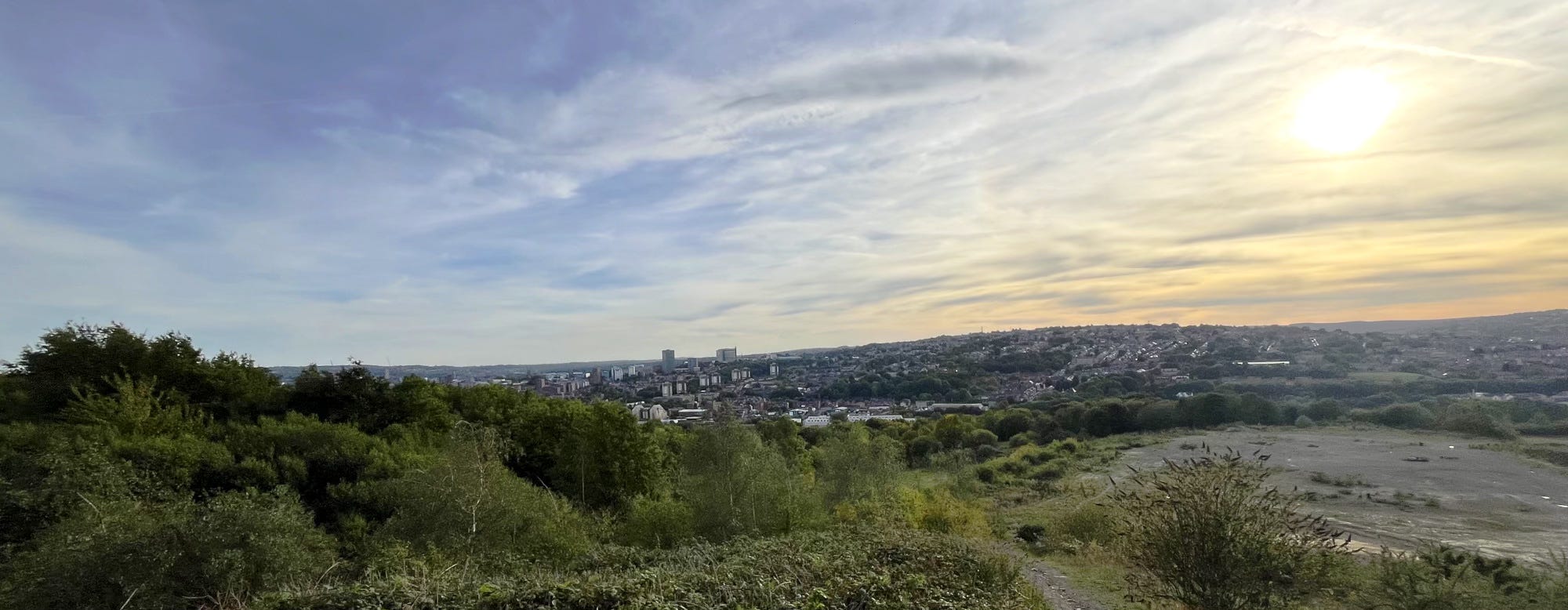
Parkwood Springs - The initial consultations on the proposed development by Skyline Luge have ended, with revised proposals expected in a few months. The Friends of Parkwood Springs have a summary of their responses here, while a new group, Protect Parkwood Springs, are asking Skyline to minimise the loss of accessible green space, to reduce sprawl away from the original ski village site, and for more clarity in general. We hope to have more on this soon.
Parkrun Predictions - The two incoming new parkruns for Sheffield are inching closer, I hear. A wall problem at Stannington has been resolved, with parkrun officials estimating a start there early in 2027, while a new team at Parkwood Springs are reworking the application process with a likely start on Sheffield’s shining cliff later next year, I’m told. We’ll keep you posted.
Early Moves
“You have to get here early enough before the dogs,” says Richard Hill. “Wading birds will let runners and walkers go, if they’re far enough away. But dogs are wolves, to waders. If they see three or four dogs, they’ll be up and off.”
Autumn is a time of movement, says Richard. He and colleagues from Sheffield Bird Study Group are watching the skies for birds passing by from Europe, the Arctic, or just from their summer homes around the UK
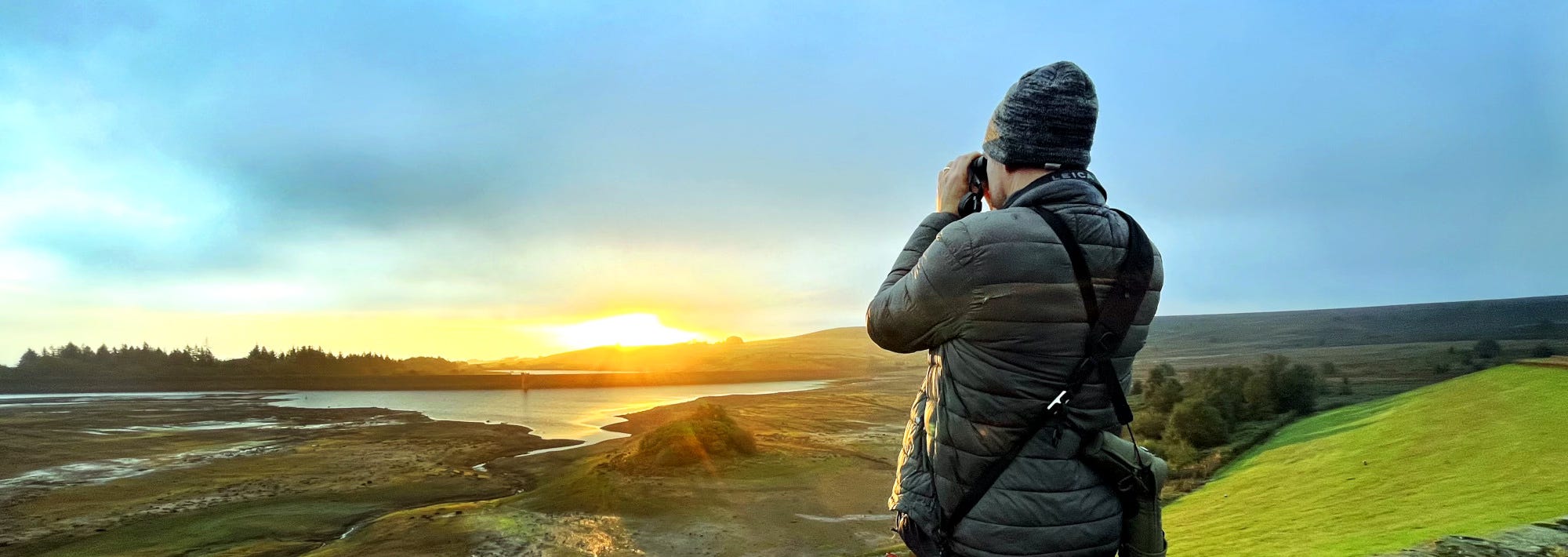
You have to put the hours in, Richard says, both to improve local records and to occasionally glimpse such a notable rarity. That’s the theory, but as we stroll round the lightening lakeside, minutes from Richard’s house, he adds it’s also a pretty good way to start the day.
When he can, he paces round Redmires reservoirs before work, setting out at 6.30 am at this time of year. Just now, Redmires is on the flight path for North / South migration, so birds who like wading around looking for worms in the mud, sometimes from ridiculously far way, may stop here for a rest.
A very rare Baird’s Sandpiper called in for a few hours on the 15th September, for example, having apparently lost its way from North America.
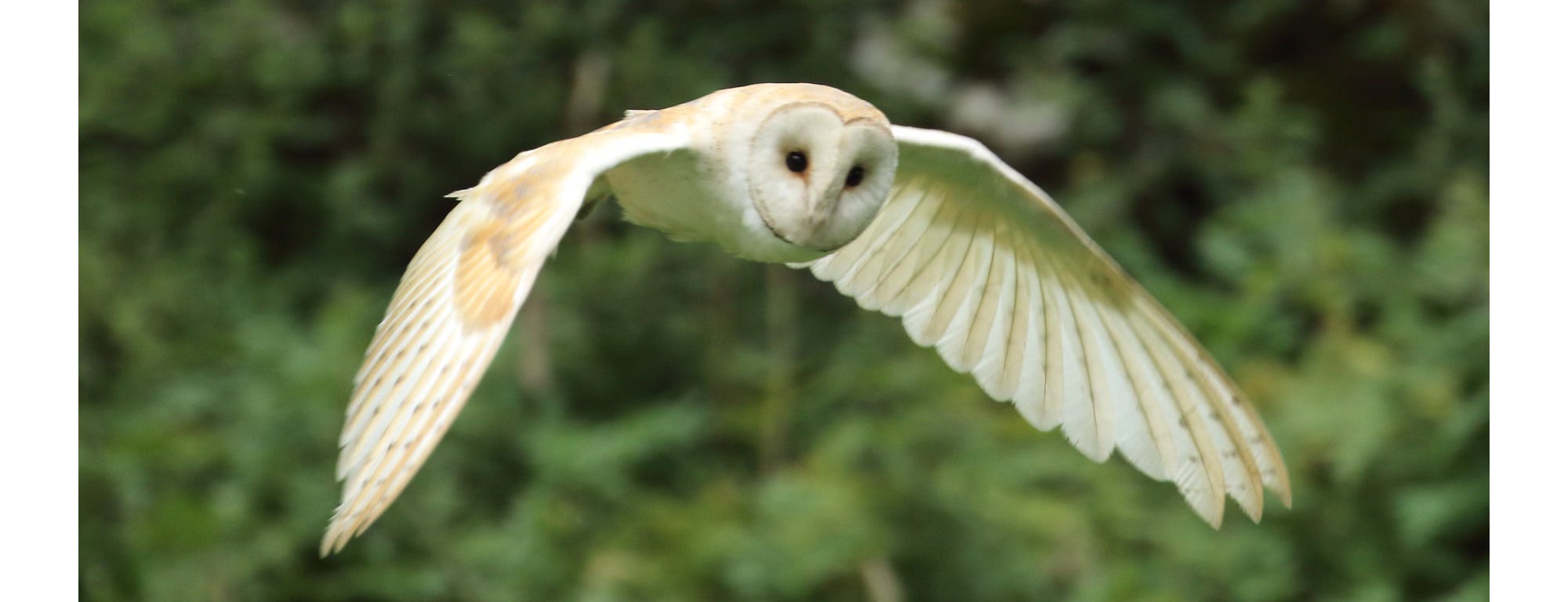
A white ghost appears across the moors, paddling slowly through the air above the bracken: a Barn Owl, looking for careless voles in the grass.
Mallards cackle at each other to say we’re coming. Not many waders today, Richard says, despite all the mud at the reservoir edges. We watch dozens of Canada Geese slapping in gangs across the grey silt, and Richard picks out three or four Song Thrushes darting and calling around the moorland edges.
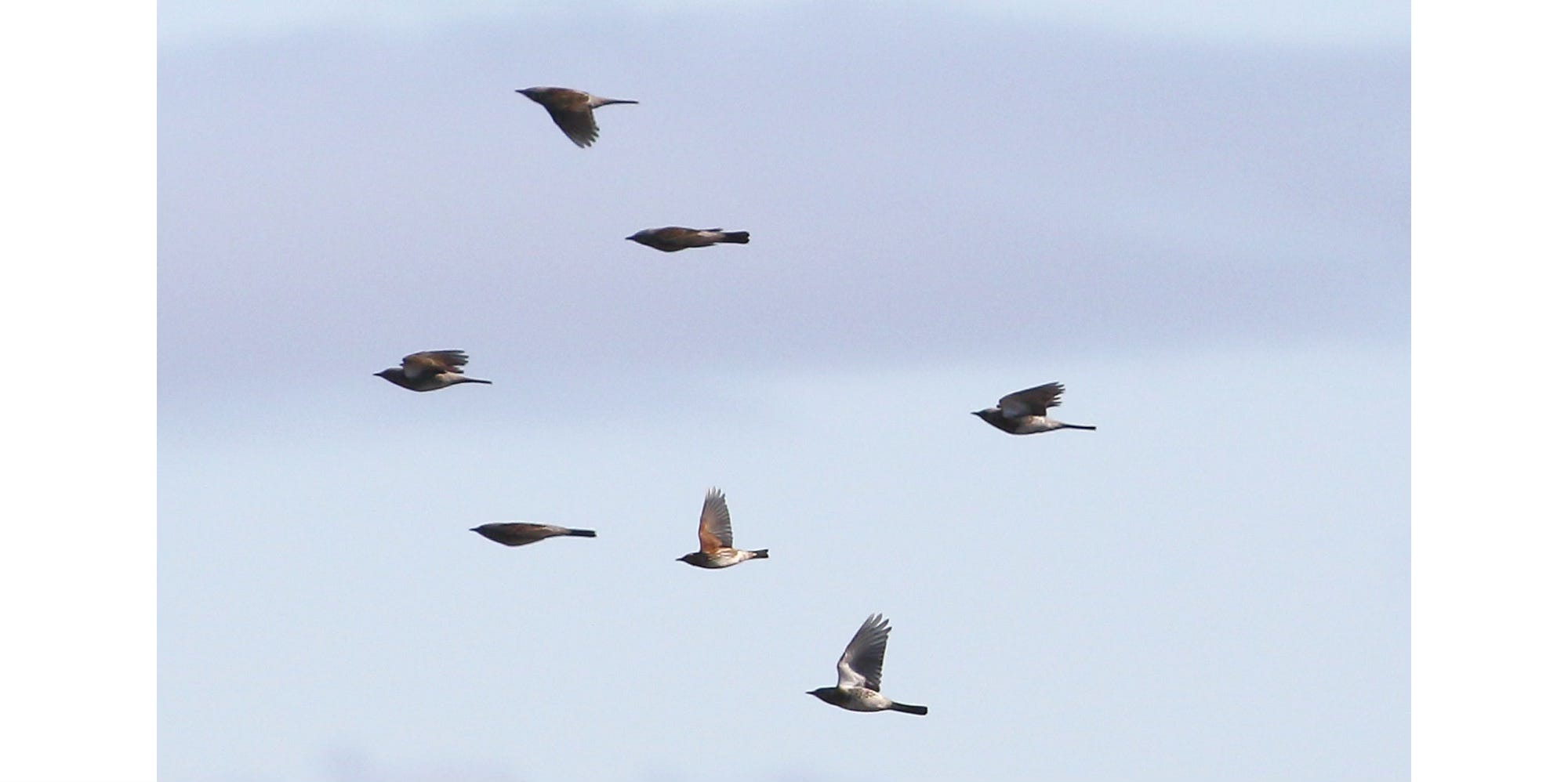
Native thrushes wouldn't be doing that here, he says. Over 700 were seen in Norfolk earlier in the week, so these are likely to be continental Song Thrushes, he reckons.
He listens to a patch of bracken: “Reed Buntings.” They leap-frog across the landscape, he says, looking for suitable wet and reedy places to drop into on their journeys. “They call in here, and move on. A couple of Chaffinches,” he adds, looking at two tiny birds passing over. “They’re not local.”
The sun rises spectacularly, flocks of gulls arrive from the city, and a few dozen Lapwings crouch among the rocks, or tumble together over the water. Two Buzzards flap over, chased by half hearted Kestrels, and Richard picks out a distant bird of prey, a harrier of some kind, searching across the moor. More mysterious Song Thrushes pass over, as we head back so Richard can make his first meeting.
18 Song Thrushes this morning, 23 Tufted Ducks, 5 Chiff Chaffs, 50-60 Black-headed Gulls, one Common Gull, small flocks of Linnets, Goldfinches, Chaffinches, he catalogues. Dozens of Woodpigeons heading somewhere.
You can see these glimpses of airborne lives we can barely understand all across the city just now. You could watch woodland edges, or around lakes like Redmires, Langsett, Thrybergh, Waverley, Agden or Midhope, Richard suggests, or if you’re patient, you could just look up at the sky from your back garden.
“You watch it somewhere like here, and realise these movements have been going on for millions of years,” he says. “But most people are oblivious to it.”
Wood Work
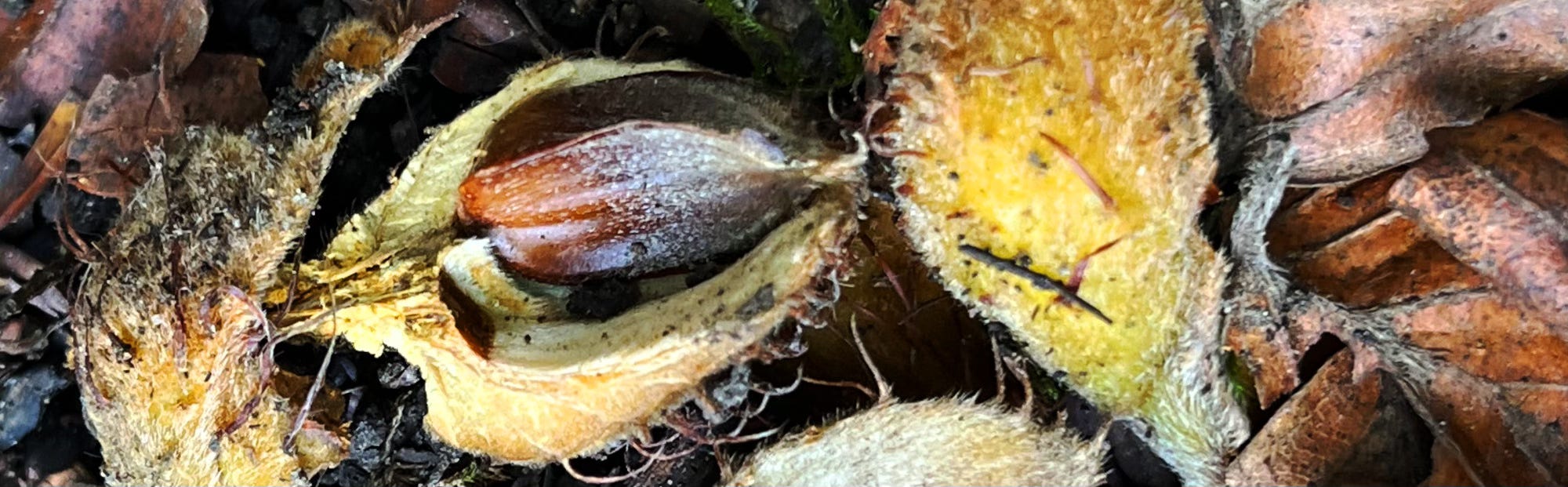
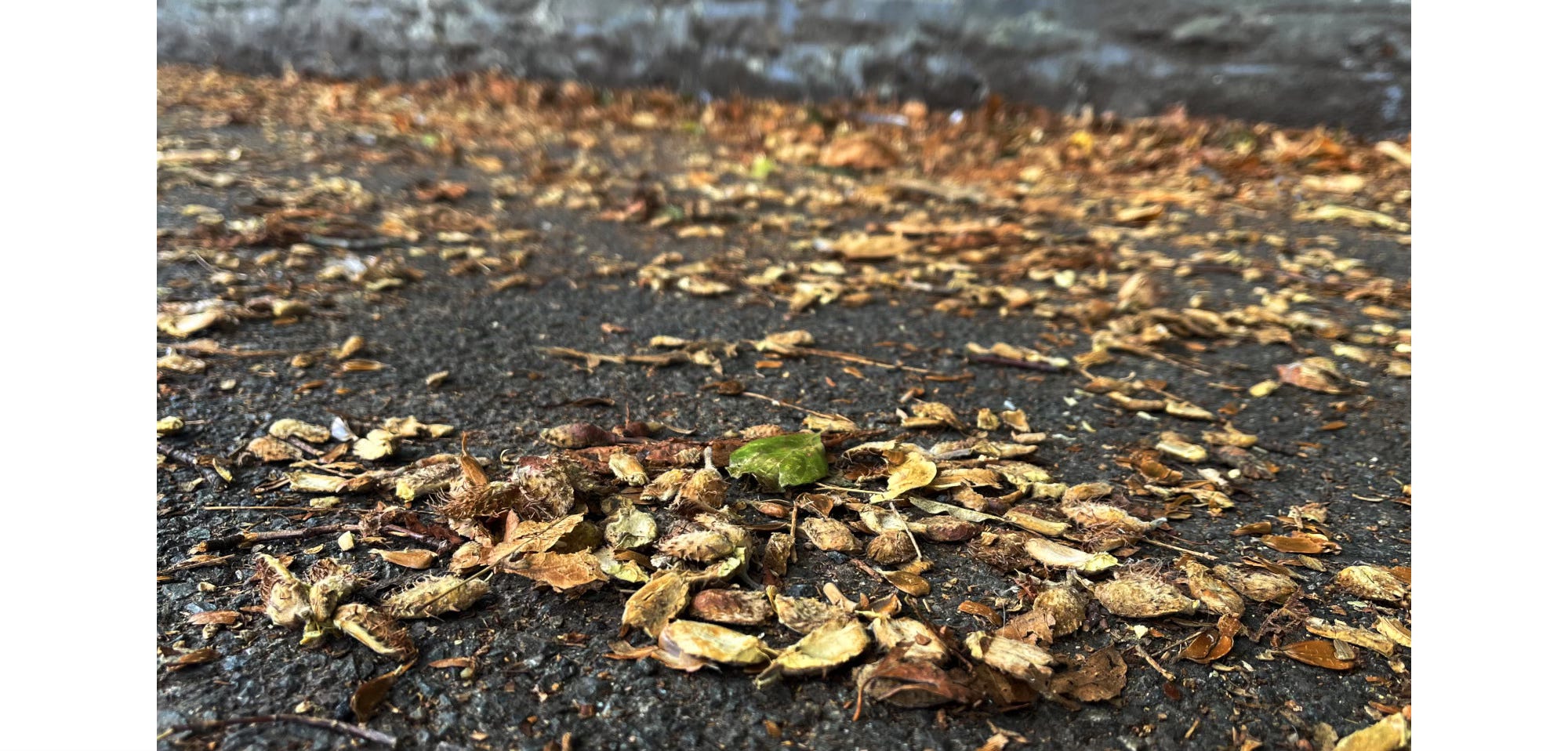
It’s another crunch year for beech trees. Textbooks tell us mast years only come around every few years, but you’ve probably been crunching through large patches of beech mast (or nuts) for a second consecutive autumn.
2025 was a mast year for oaks and beeches. After overloading the ground with beech nuts in one year, in theory trees need to recover their strength before the next mast year in 2030 or thereabouts, but there are plentiful beech nuts this year too. It looks like trees don’t read the textbooks in the age of extreme weather.
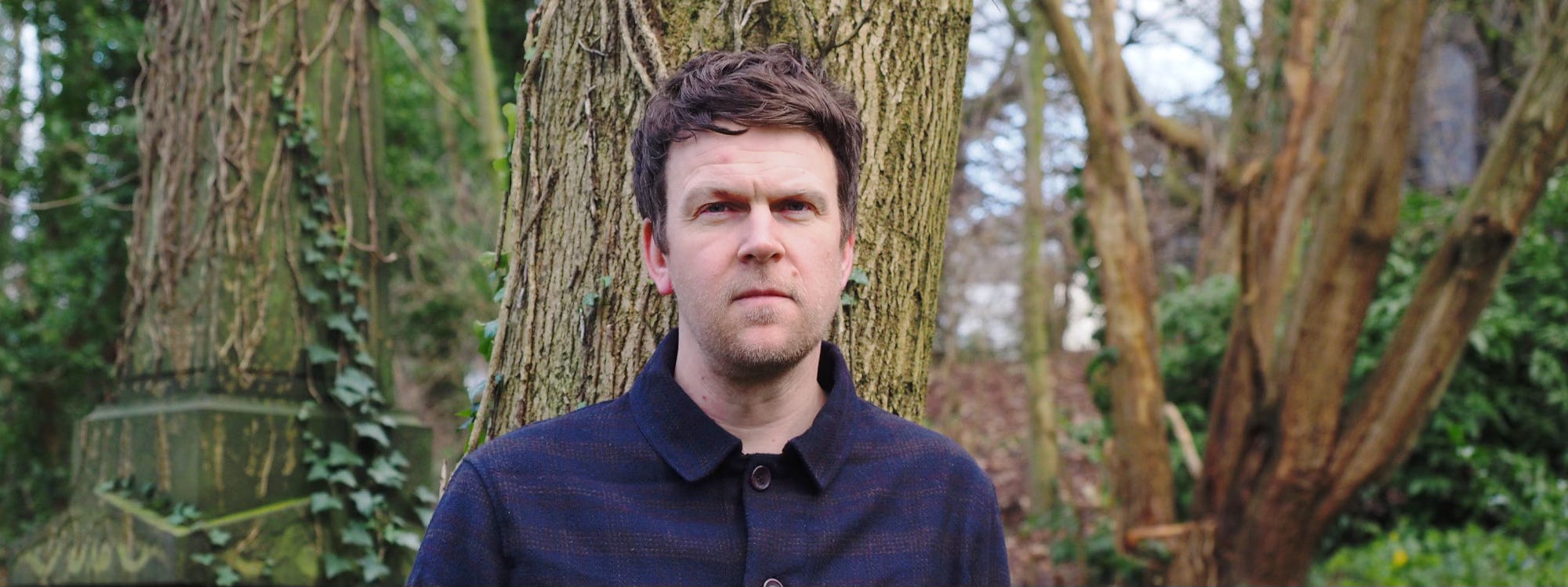
After two years of heat and drought, I caught up with Sheffield writer Luke Barley, this year’s winner of the Wainwright Prize for Nature Writing, to ask how local trees are coping after two hot, dry summers in a row.
Luke is a national tree consultant for the National Trust, and occasional contributor to this publication. After years of working around British woodlands, he found visible drought stress in big mature trees again this year, something he rarely saw in the past.
“Losing their leaves early, leaves wilting on the branch,” he says. “We’ve seen it almost everywhere, trees looking very very unhappy.”
Woodworkers are now planning for the new climate, planting new trees earlier in the winter, and mulching carefully to protect them from whatever there is to come in the growing season, he says. Those new saplings are demonstrating real time evolution: the ones most resistant to drought or heat stress will survive and carry their seed into future generations, he explains.
But you need to manage woodlands, felling or trimming some trees to create light and space, to allow those young trees to grow and develop and survive to the next generations, Luke says.
Last year’s oak mast year sprinkled local woods with thousands of tiny oak saplings, but few of them managed to grow out of the shade, and start to get away.
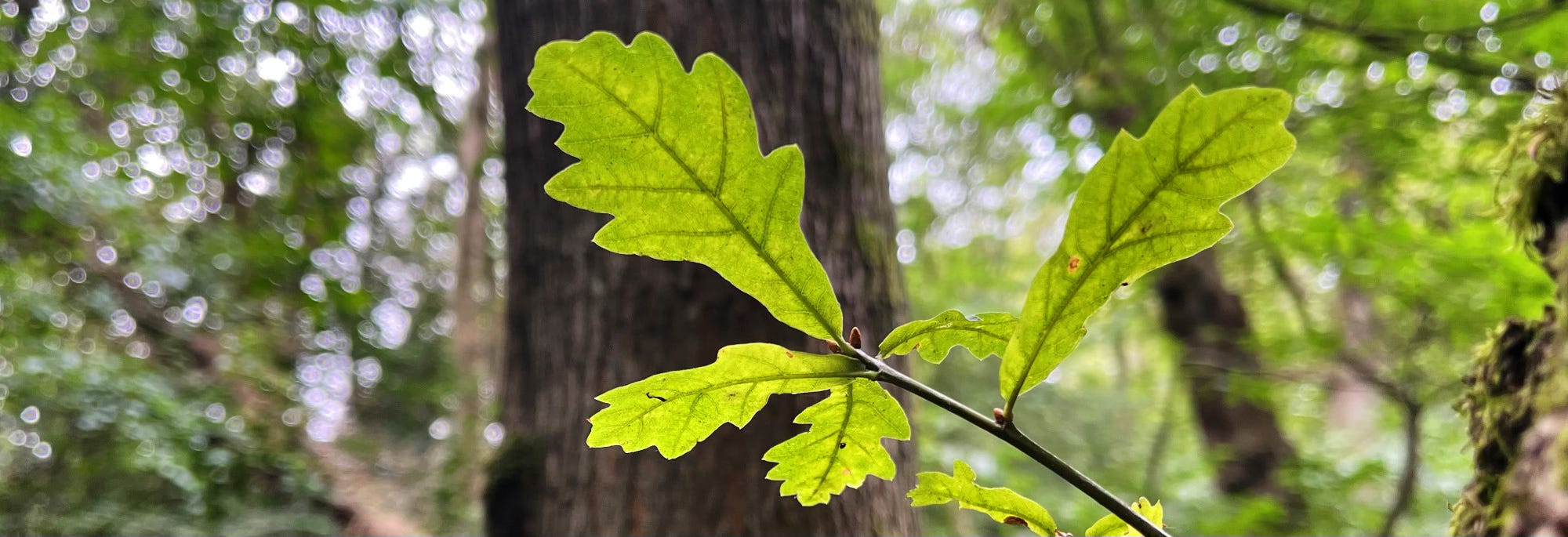
Mast years are an evolutionary strategy to outwit browsing animals like deer, who love most tree saplings, and nut lovers like mice and squirrels. In the textbook British climate, if an oak or beech tree produced the same amount of nuts each year, their animal consumers would thrive into big enough populations to eat pretty much every nut or acorn in the wood.
So by summoning the strength to overproduce one year (usually after a hot summer the previous year) enough of the bountiful tree’s offspring will evade the hungry local deer and squirrels to grow into new trees.
Meanwhile there’ll be boom and bust in the animal populations too, but a few years later than the nut boom, to keep the cycle going. Until the weather gets weird every year, that is.
And unless we open up woodlands to let the light in, shady beech trees, not native to the north of England, might begin to overwhelm local woodlands at the expense of the oak. Something like this could be happening in some parts of Padley Gorge, it seems.
But Luke points out that we simply don’t know the effects of successive, hot dry summers like we’ve had over the last two years. We’re only now beginning to learn about the effects of the famous drought year of 1976, he says.
“The combined effect of the recent drought and heat has been much worse than 1976,” he says, “and we don’t know what the impact of successive drought years is going to have on our mature trees. But it’s not likely to be very good.”
But the flip side is that trees are very resilient at a population level, he says. “So even if we see impacts on mature trees, the seedlings and saplings that are developing will be adapting to these conditions.”
Most of our woods in the UK are now neglected, he warns. Thousands of years ago, patches of British woodland would be opened up every few years by herds of huge deer, cattle, and bison crashing through.
Then after we wiped out those wild cattle and bison, humans stepped in to chop down trees for houses, firewood and industry, lightening up our woodlands for the next generation of trees and people. But now, says Luke, many woodlands are monocultural, and too dark and shady to be good for wildlife.
“Now, the environment that we’ve got is struggling, so we have to help it,” he says. “My big message is that we need to intervene as we did throughout human history to increase the structure of woodlands, which in turn allows regeneration of tree species, and also makes them much better places for wildlife.”
Ancient, by Luke Barley, won the 2026 Wainwright Prize for Nature Writing. Thanks to Luke, we aim to have an extract from Ancient in a short Supporter’s Supplement for full subscribers, hopefully later on Sunday.
We’re hoping to have a new post from Commoner’s Muck this week, followed soon by a new occasional section from our growing social enterprise publishing house: Playing Out. Watch your inbox.
How can we do all this? It’s all thanks to the 350+ wonderful full subscribers chipping in to keep local journalism alive. And how will we keep it all going? By asking all our free subscribers who like what we’re doing to upgrade, so we can reach our target of 380 full subscribers when we’ll be able to bring in a bit of help.
It takes two minutes to join our social enterprise below. And it’ll make our Sunday.

More What’s On Out There (from Sunday 4th October)
A tiny selection from our (regularly updated) What’s On Out There news and listings post. Full version for full members, preview version for all at the link above.
Sun 4th - Wadsley & Loxley Commoner’s Muck In Morning
Mon 5th - SRWT Volunteering - Crabtree Ponds
Tues 6th - SRWT Volunteering - Wyming Brook
Weds 7th / Thurs 8th - ‘What Is Native? conference with UKeconet / Landscape Conservation Forum
Thurs 8th - Green City Action Grimesthorpe community allotment
Fri 9th - CycleBoost cycle training - confidence & learn to ride, Hillsborough Park
Sat 10th - Wardsend Cemetery volunteer morning