


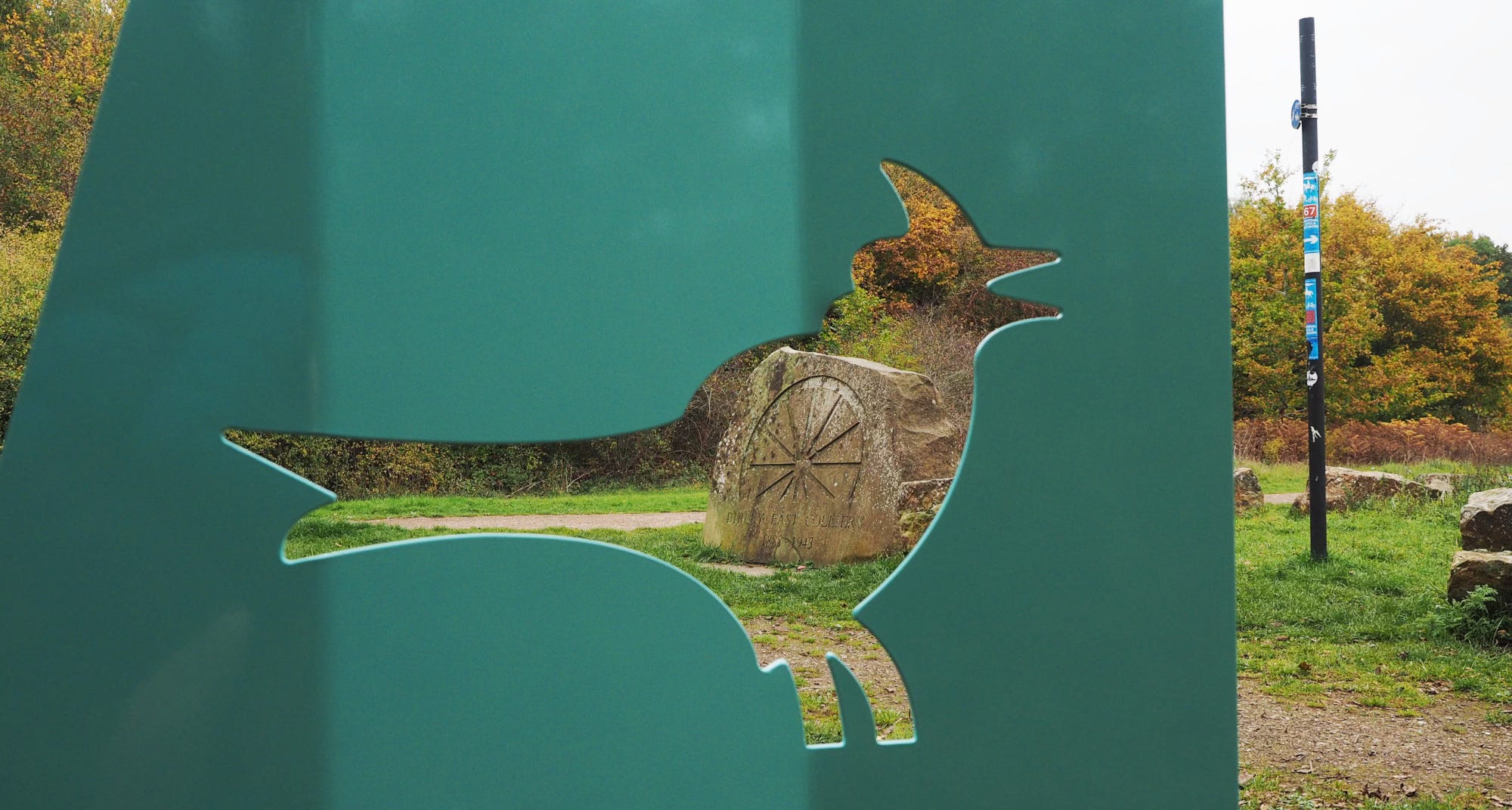
Morning. Afraid we haven’t got the feature on the Slow Ways movement yet, as I’ve been a bit peaky and not well enough to get it all together for this weekend. Not, I should emphasise, because of research into this week’s feature on the current abundance of toadstools.
(Slow Ways are currently asking supporters to review a route or two to see if they work - find out more here)
Instead we have a few shorter pieces, on the environmental reasoning behind the council’s new dog walking codes and licensing schemes, and a bit more about how the nature reserve of the Shire Brook is finding its place in the Outdoor City. Oh, and we also have 🥁 - the return of Secret Seating!
Please share this post with anyone and everyone: the more readers we get, the more we can do.
And if you like what you read here every Sunday, please take the cheap and cheerful step of joining us as a full subscriber for the cost of a monthly Millhouses Flat White.
Teeming Toadstools
Mushrooms are everywhere. It’s October, so they should be, but so many are cropping up overnight across our darkening woods, you could understand how the ancients revered their magical and demonic properties.
Our fungus expert Chris Kelly from Sorby Natural History Society messaged me yesterday with reports of “extraordinary flushes of honey fungus.” I think I saw some of these, bursting out of unsuspecting half dead trees in some of our river valleys.
Theoretically they’re edible if cooked, but don’t even think about it without a real expert on hand, as they can cause stomach upsets for some. Also, I gather the unwary and untutored could mistake this prolific fungus for another yellowy orange (but deadly) mushroom, named the Funeral Bell for good reason.
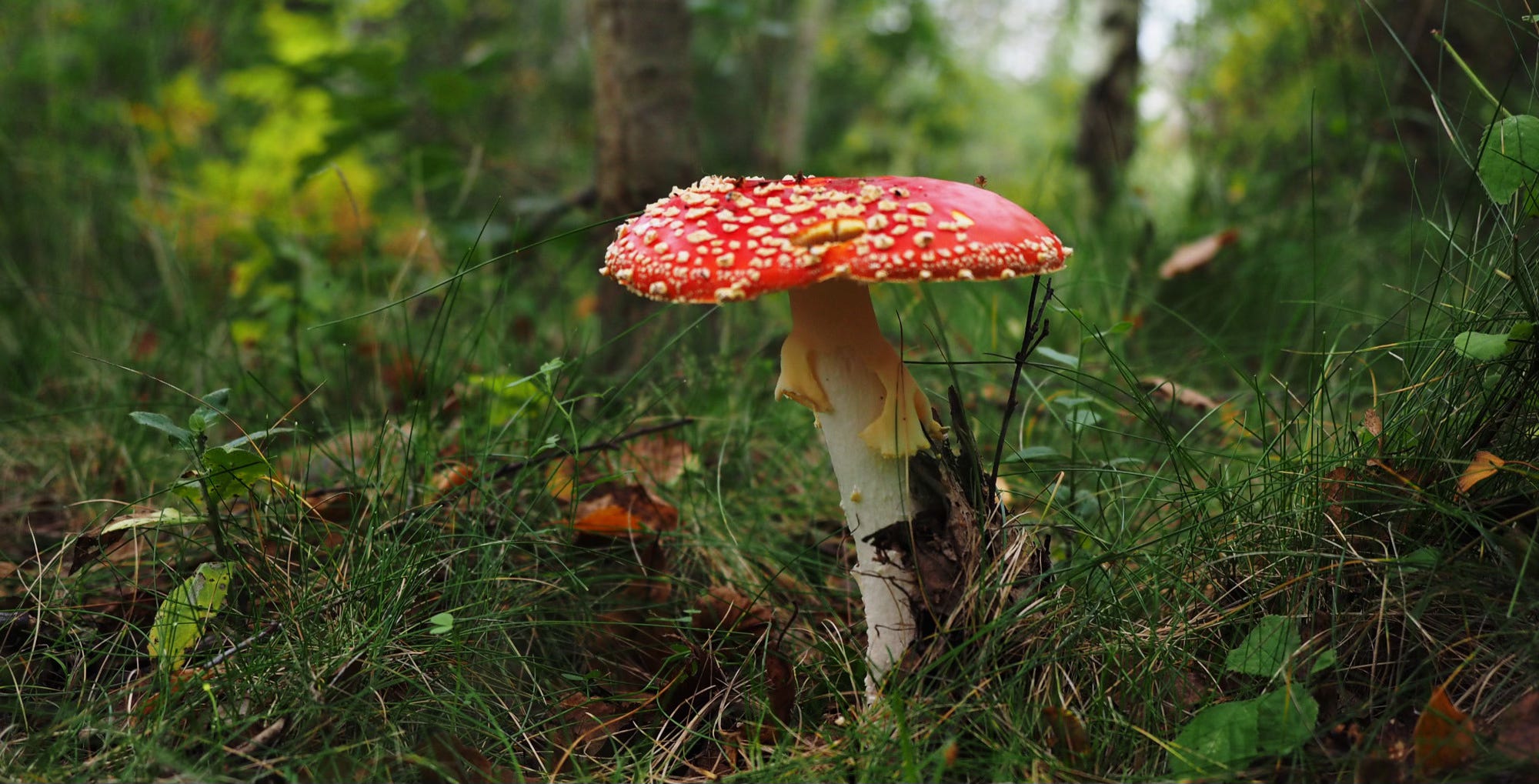
I asked Chris about Fly Agarics, the traditional red toadstool with white spots. Step off the main path into the real bristling woodland (especially those with birch or pine trees) and you may well find toadstools of all sizes scattered among the leaves, like red danger buttons on the forest floor. There are lots of these too this year.
“I imagine lots of non-fungi enthusiasts will be noticing them,” she says. I ask why there are so many, and her answer is typical of wise Sorby naturalists.
“I think the answer is nobody knows. It could be that they respond to stress (like the dry summer) by making lots of fruiting bodies to ensure lots of spores to perpetuate the species. It’s a bit like the mast autumn we’re having, with huge numbers of beech mast and acorns.”
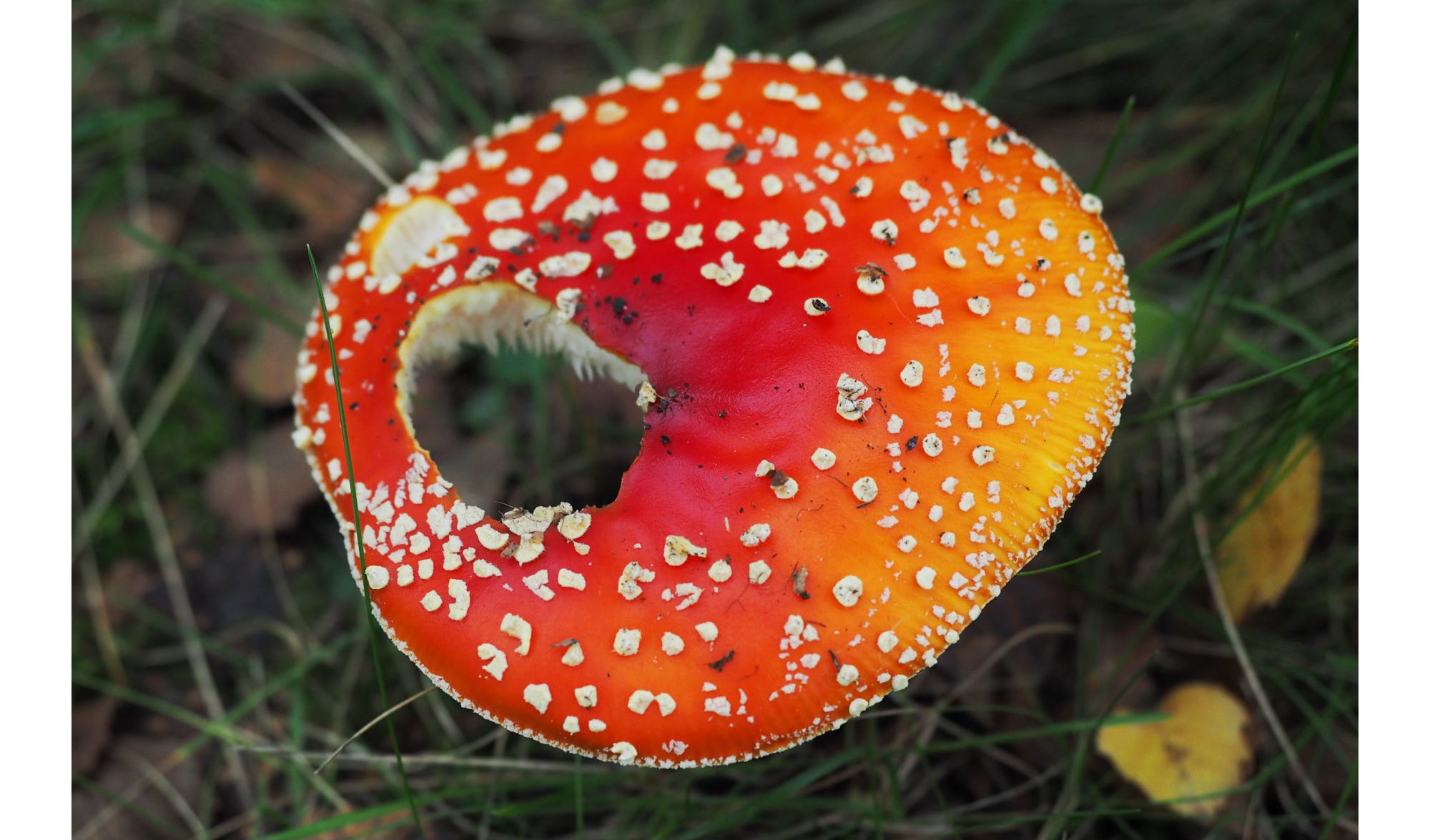
Find Fly Agaric colonies in the wild, and the first thing you notice is that something in the wood has been nibbling at this toadstool with very hallucinogenic qualities. (No, don’t try this fungus yourself either).
Its bright colour is surely a give away for hungry mice, squirrels and rabbits, and I ask why we don’t see dead or wild-eyed furry creatures all over the woodland floor.
“I think it’s accepted that other organisms don’t react to the poisons and hallucinogens in them because of a different physiology,” Chris says.
“Amanitas (Fly Agarics are officially know as Amanita muscaria) are mycorrhizal, so grow in any kind of woodland, of which of course, we have plenty locally.” You don’t have to scour the hot spots of Ecclesall Woods or the Porter Valley, she says, just look off the beaten path in any woodland.
“It’s worth looking out in cemeteries with trees too,” she adds, darkly.
Our seasonal Christmas post for full subscribers has more strangeness about the Fly Agaric, thanks to the late great local naturalist and author, Patrick Harding.
Outlaws of Dog City
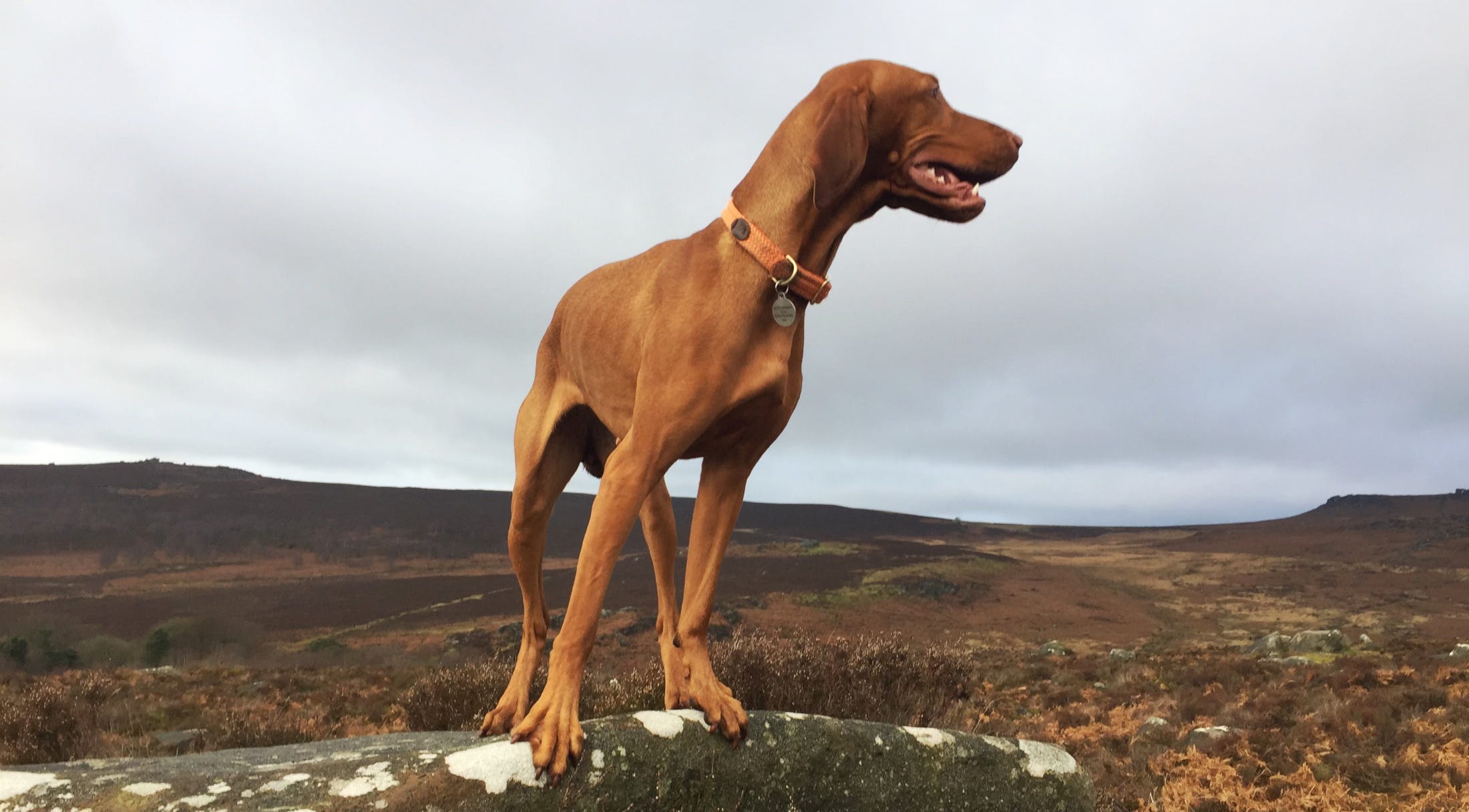
Sheffield’s 62,000 (and counting) dogs can’t help how their animal nature can harm the Outdoor City’s wildlife.
After years of deliberations, the council are set to introduce a code of conduct for dog walking next spring, along with a voluntary licensing scheme for commercial dog walkers.
We’ve covered some unsavoury results of Sheffield’s dog boom in the past, but the news prompted a commission to help our new local journalism ally the Sheffield Tribune with a piece for their full subscribers last week. Space limitations meant they couldn’t include all the reasons dogs may not mix well with their fellow creatures. So we’ve used effective recall and brought that reasoning to heel here.
The code of conduct includes expected directives like collect all waste (as the council prefer to call it) and don’t leave it bagged up in bushes for the rest of us to admire later.
And, if there’s already a pyramid of poo on a litter bin (technical term for the Monday morning display for bin collectors who don’t work at weekends) you should just take it home. Likewise, if there’s no bin, since each one costs £700 a year to maintain and collect, our cash strapped council is going to be pushing the take it home message more and more.
(For the Tribune piece, I estimated that with 249 dog bins and 917 dual waste bins, council staff have to send at least a million litres of dog waste to the incinerator every year).
The code says dogs must be in sight at all times, or on a lead if they don’t reliably come when called, and dogs shouldn’t approach people or other dogs without permission. (Many complaints to the council are about out of control dogs, which they say can often be very frightening for many people, to the extent that unruly dogs stop them visiting their local wild spaces).
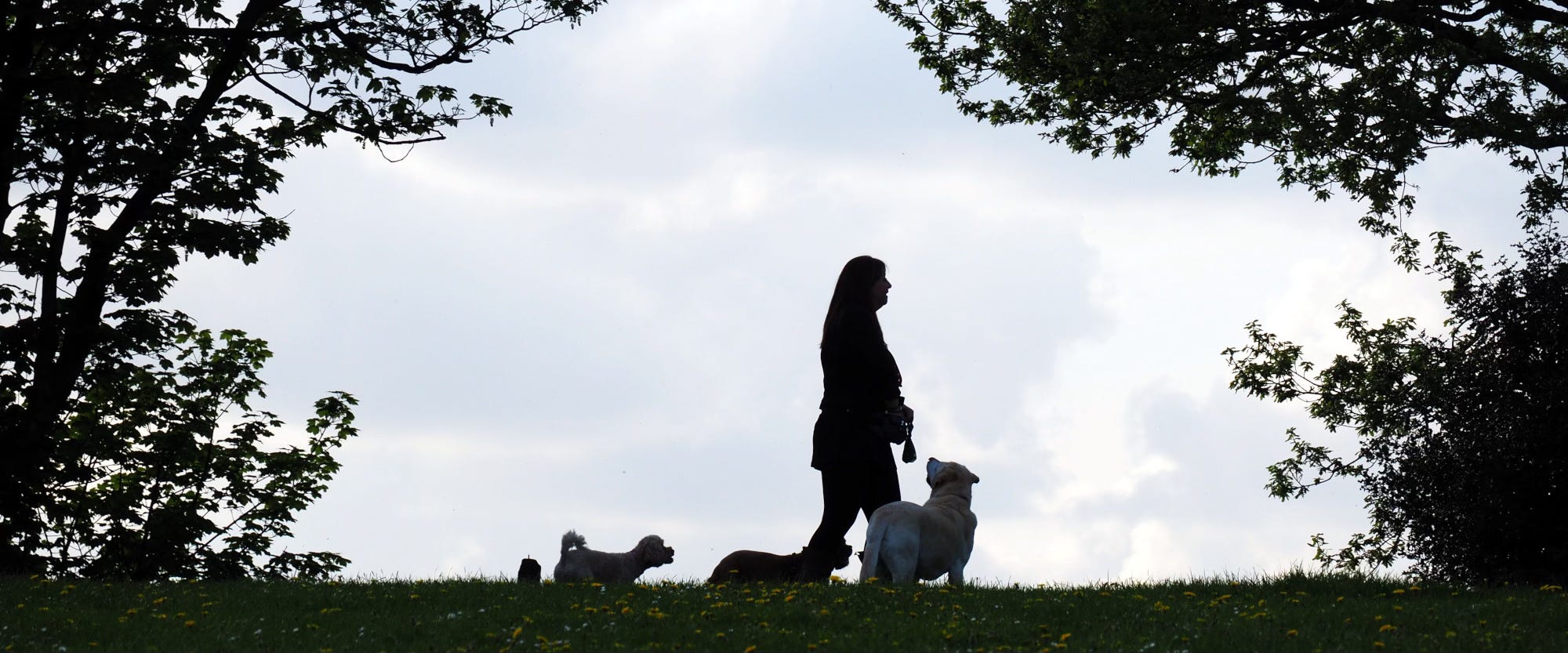
The council consulted Friends groups, the Sheffield Green Spaces Forum, Sheffield & Rotherham Wildlife Trust and other conservationists and landowners, as well as farmers and dog walking professionals.
And to the relief of environmental groups, we now have a clear message to keep dogs out of waterways, and on leads in sensitive wildlife sites (especially Sites of Special Scientific Interest) at specified times of year. I now hear that the protectors of our moorland in particular will be asking dog walkers to keep dogs on a lead all the time, not just in bird nesting season.
Everyone I spoke to stressed the health and mental health benefits of owning a dog, and conservation-minded landowners say they welcome dogs (and dog owners), but want those dogs looked after responsibly. But it’s my sense that the landscape, and the survival of the rest of the wildlife out there, is now the priority.
Most responsible dog owners know you should have dogs on a lead around livestock, but there’s also a real danger from roaming dogs to threatened native wildlife like ground nesting birds and water voles.
It’s worth remembering the evidence that humans and tamed wolves (or similar) seem to have evolved together. Early humans had the ingenuity to target and follow herds of tasty animals, and kill them off with spears, whereas the ancestors of the family cockapoodle would team up to chase down a suitable antelope, to be speared by the humans, and shared with the whole pack later.
I’m told the wild world remembers this. Dogs have a curbed instinct to help us catch and kill things, while a bird or a sheep or a deer can’t really see the difference between your spaniel and a wolf.
Conservationists talk of flushing distances: different birds and animals only feel safe many metres from a path or route frequented by bouncing dogs, and in spring, if their parents get disturbed often enough, baby birds or water voles can perish. For local ground nesting birds like Curlew, Lapwing or Golden Plover that flushing distance can be from over 100 metres to half a kilometre away.
Moorland conservationists also warn of deer just now, and snakes in the warmer months. Dogs and deer don’t mix well, particularly aggressive rutting stags this autumn, and the bite of secretive moorland adders is partly evolved to deter keen-nosed predators, like your family pet.
In woodland, an overabundance of dog faeces and urine can alter soil chemistry and native plant life, so vigorous nettles near a popular dog toilet will crowd out rare native wildflowers.
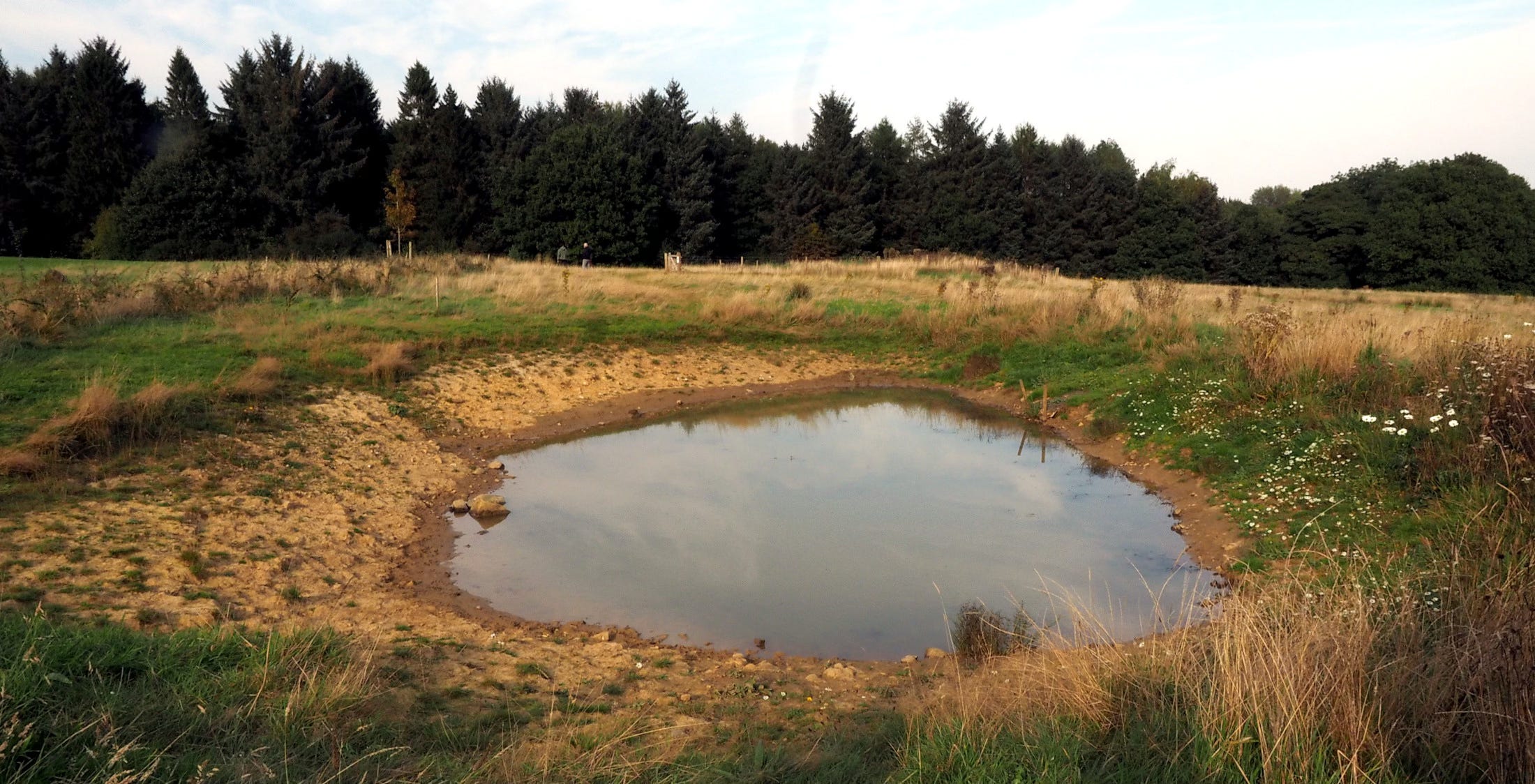
And if your dog’s a swimmer, or the descendant of a wildfowl gun dog, they may disturb water voles, or unleash flea treatment which, surprise, kills most of the insects in the water just as well as dog fleas, leaving barren ponds with no insects and nothing else passing by to eat them.
At Whirlow playing fields, I was shown an experiment, where fenced ponds at the popular dog exercise site have plants and wildlife, while the unfenced have dusty beaches where dogs have scampered in and out every day, and nothing much else living there at all.
And I was told emerging evidence seems to show that the mere smell of a dog, or a place where many hounds have recently trod, urinated or defecated, can spread unease and lower breeding numbers among the rest of the local wildlife.
My council contacts tell me the new policy is evolving, and is only the first step. A costly Public Space Protection Order is also an option, where the code of conduct will be enshrined by law.
As dog walkers, it’s up to us. And if you’re a dog owner in need of a professional dog walker, the hope is that come spring next year, you’ll have a list of wildlife-friendly professionals to choose from.
Flags And Lanterns
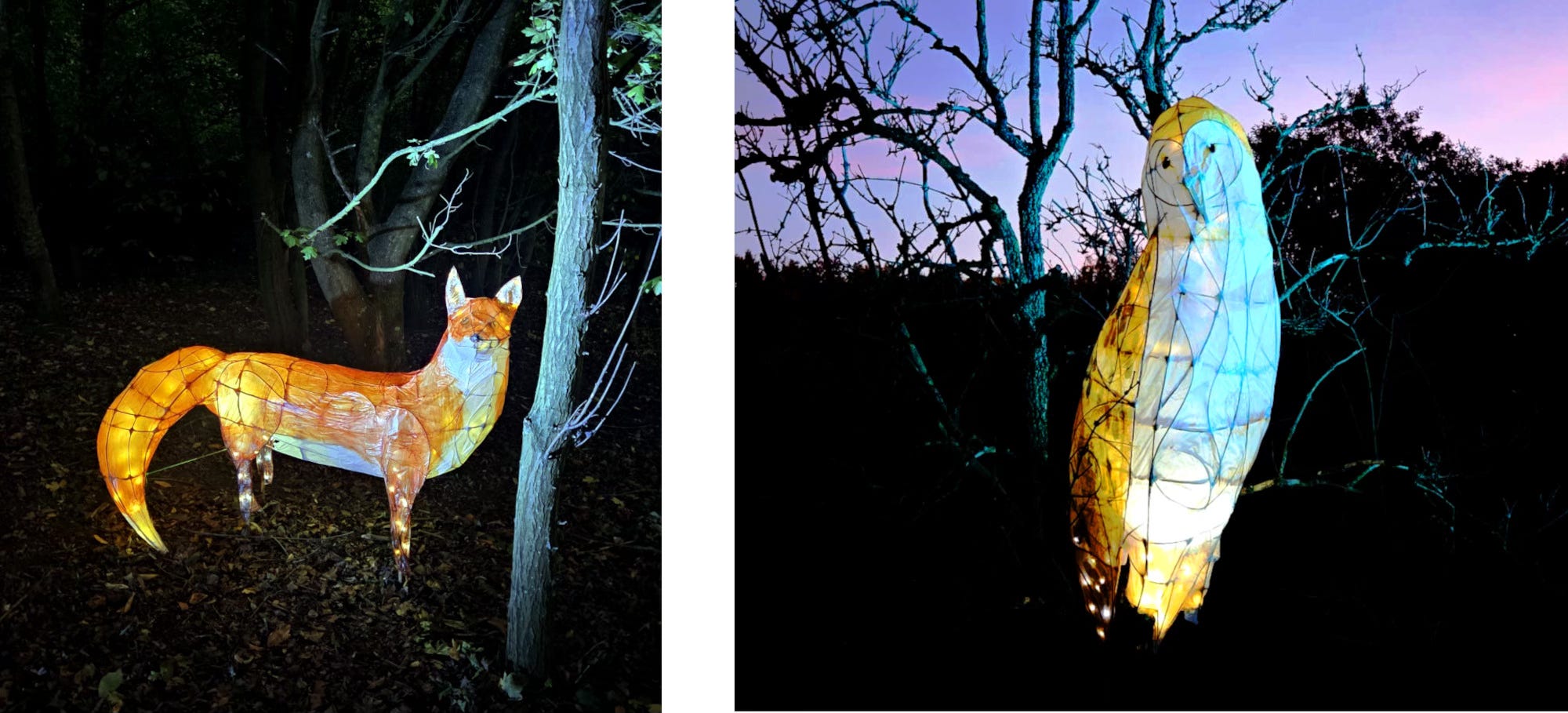
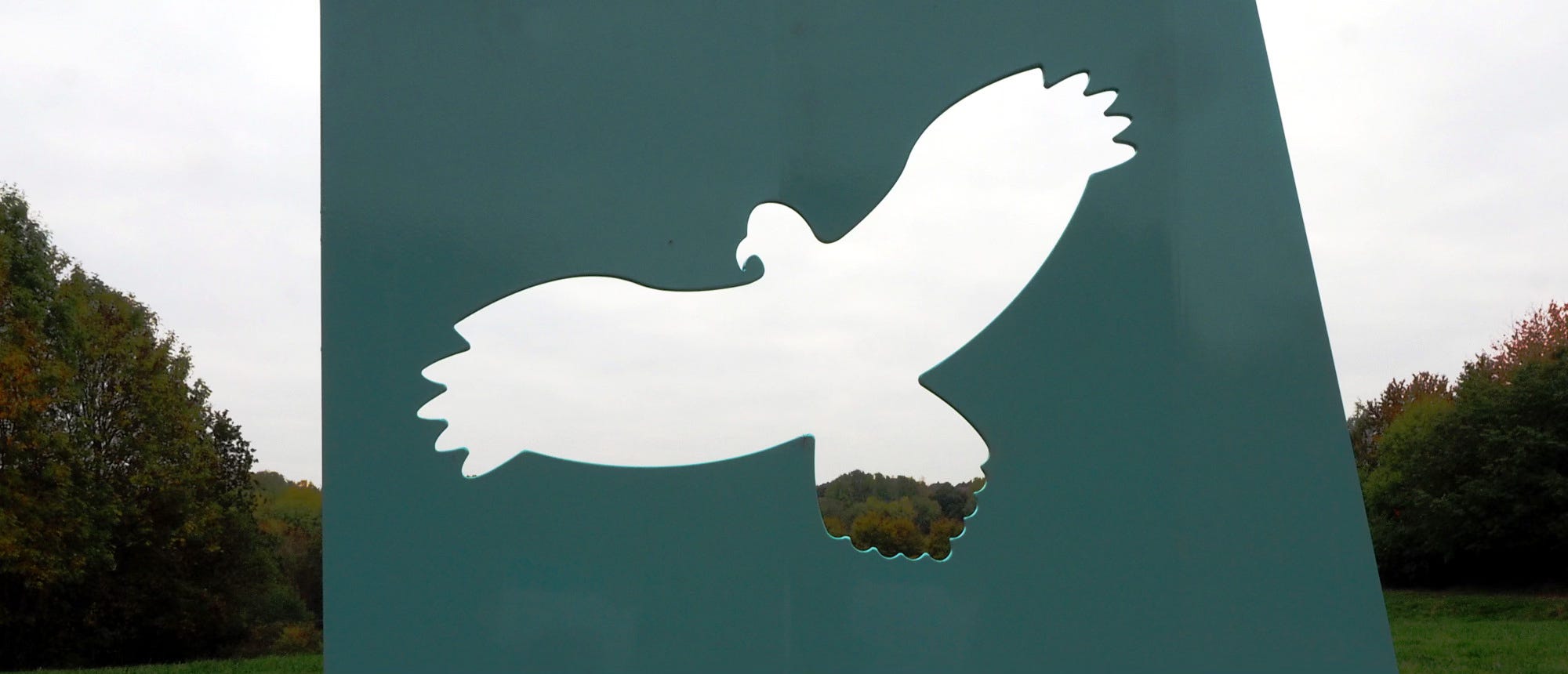
We were the first to see and hear about the lanterns and new sculptures at Shire Brook Valley nature reserve last week. Friend of Bill’s Mother’s Meghan Tipping tells me the sculpture trail is nearly complete, and will soon be complemented by new paths and benches to help people explore one of our city’s finest post-industrial wildlife sites. I’ll have more on all this soon.
Meghan was stunned that 700 people turned up for the lantern festival evening for local families last Saturday. And the simple sculpture trail will help people know the wildlife around their neighbourhood, she said, bringing a genuine homespun pride that’s directly linked to the other people and wild creatures that live there with you.
She sent me a quote from a visitor (below). I reckon we really don’t need flags on lampposts to make us proud of where we live.
“The lantern light trail event really highlights how creativity, nature, and community can come together to create something magical. This feels especially important given the current political climate that’s negatively impacting our sense of community identity in its attempts to divide us,” the visitor wrote.
“I found it inspiring to see so many people coming together with a shared sense of pride, care, and commitment to preserving and celebrating our local spaces.”
Secret Seating 15
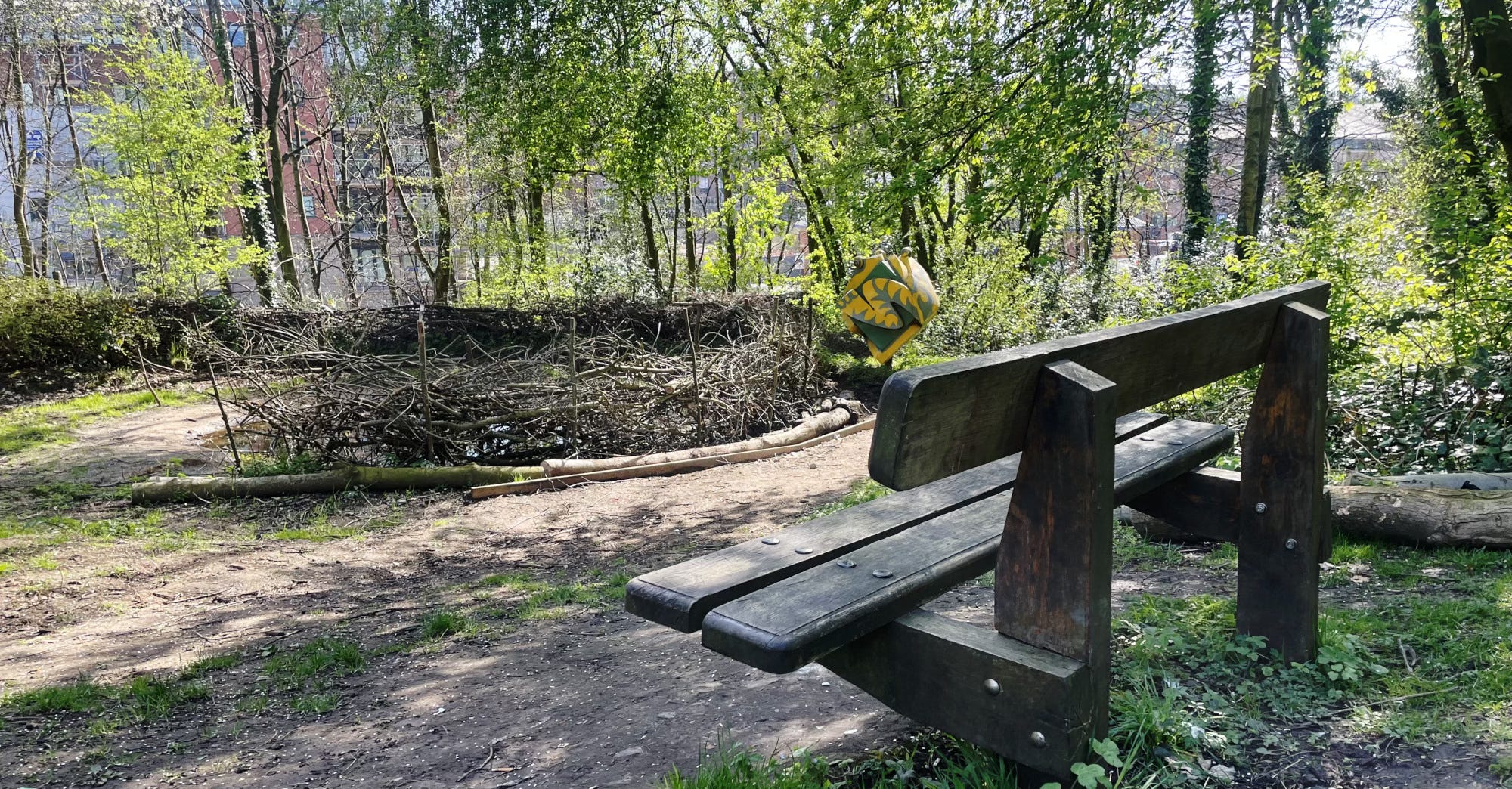
Marilyn S posted a very precise location into the comments to gain a virtual gold medal for SS14, and this time we have a little-known seat in a surprisingly urban location. (I suspect this may be slightly less obscure than some recent mystery benches, so to win the kudos of your fellow readers, get your guesses in quickly.)
Where is Secret Seat 15? Tell us in the comments below this post.
More What’s On Out There (from Sunday 19th October)
A tiny selection from our new (and regularly updated) What’s On Out There news and listings post for October.
Sun 19th - Steel City Trail 10 (10K Trail Race, Bradway)
Sun 19th - Sheffield Conservation Volunteers - General Cemetery
Mon 20th - Bird Survey at Wardsend Cemetery
Tues 21st - Friends of Ecclesall Woods volunteer & footpath repair session
Weds 22nd - Glow Ride - cycle ride from the Town Hall calling for safer nighttime cycling, especially for women
Weds 22nd - Longshaw Social Walk
Thurs 23rd - Green City Action Grimesthorpe community allotment
Sat 25th - CycleBoost cycle training (beginners & learn to ride) at Greenhill Park
Sat 25th - SRWT Volunteer Day - Hedge Laying, Shire Brook Valley
Thanks so much to all the new subscribers this week. But we need 380 regular readers to take a deep breath and agree that a mere £4 a month is perhaps worth it for all this. At that point (we’re more than 82% there) we can give work to a few local freelances too, so you’ll be creating employment and helping to support local journalism when it’s under threat more than ever. Thanks for reading.
Thanks for covering the environmental impact of dogs David.
What a very kind and well balanced article about the damage dogs do. (Or even that dogs’ do-dos do…). I wish all dog owners would read it and reflect on their own dog’s (or dogs’) interaction with nature.
I hope you’re back firing on all cylinders David!