


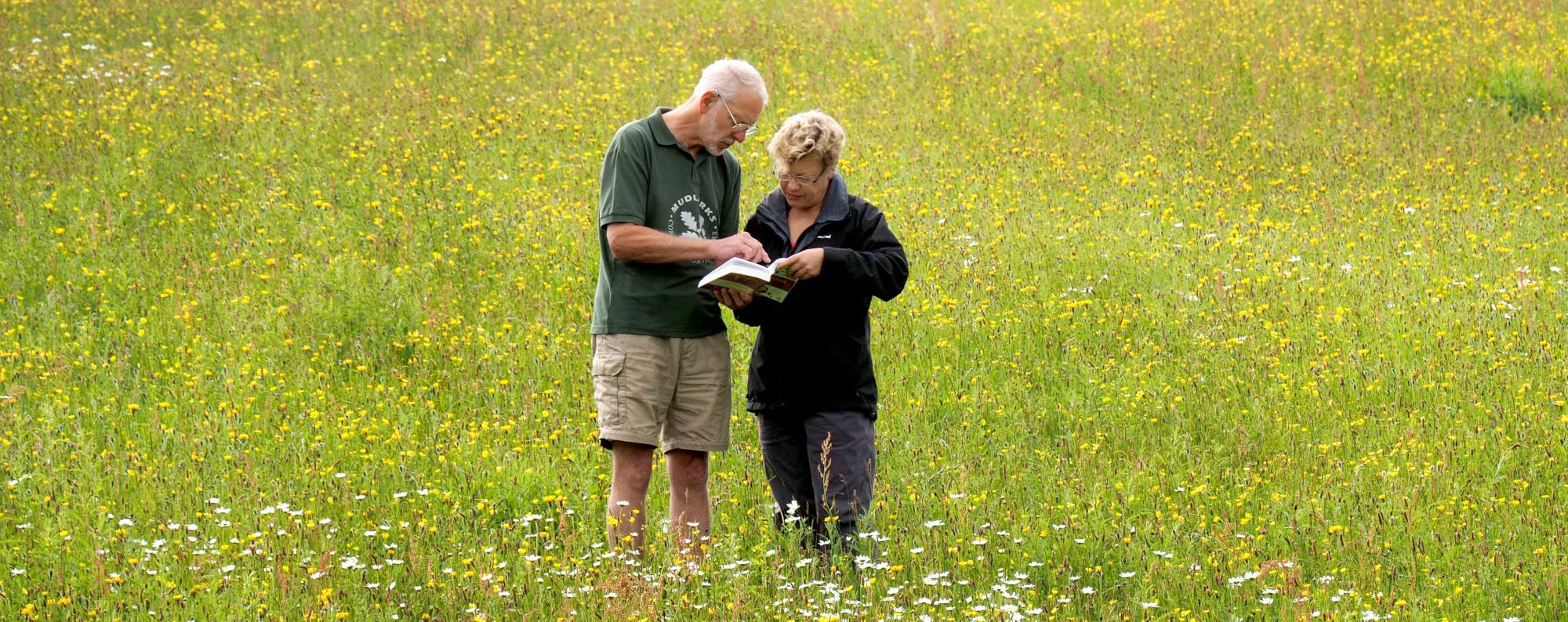
Welcome to our second post from Commoner’s Muck.
Today, regular Sunday at Bill’s Mother’s contributor Dr Jo Maher switches our regular Sunday book post to a community Commoner’s Book Club. We also have a rethink of our river system as we explain how we’ll be wading into a few more of the 250+ hardworking voluntary groups out there.
We’re hearing a lot of praise for the idea of a free online magazine covering the thousands of volunteers out there every week supporting the Outdoor City. So if you’d like to help us get going, please get in touch via the comments below or by email at bbobillsmothers@gmail.com.
Tomorrow in Sunday at Bill’s Mother’s we’ll have news of a former volunteer woodworker who’s just won a national prize for a magnificent new book on how we need to think about humans in our ancient woodlands.
Luke Barley, author of this year’s Wainwright Nature Writing prize winner Ancient, also tells us how our woods have been coping with fierce weather.
But first, a Commoner’s Muck book club, on how volunteering out there is good for all of us.
Commoner’s Books - with Dr Jo Maher
Welcome back to Bill’s Mother’s Bookclub, today joining our new Commoner’s Muck section.
I’ve been thinking about two excellent books I read recently that, in totally different ways, look at how supporting very important things for your own good health are about community and reciprocity.
When you have capacity to give your time, labour and energy, it’s a two-way process - such altruism has a useful benefit to you, the volunteer.
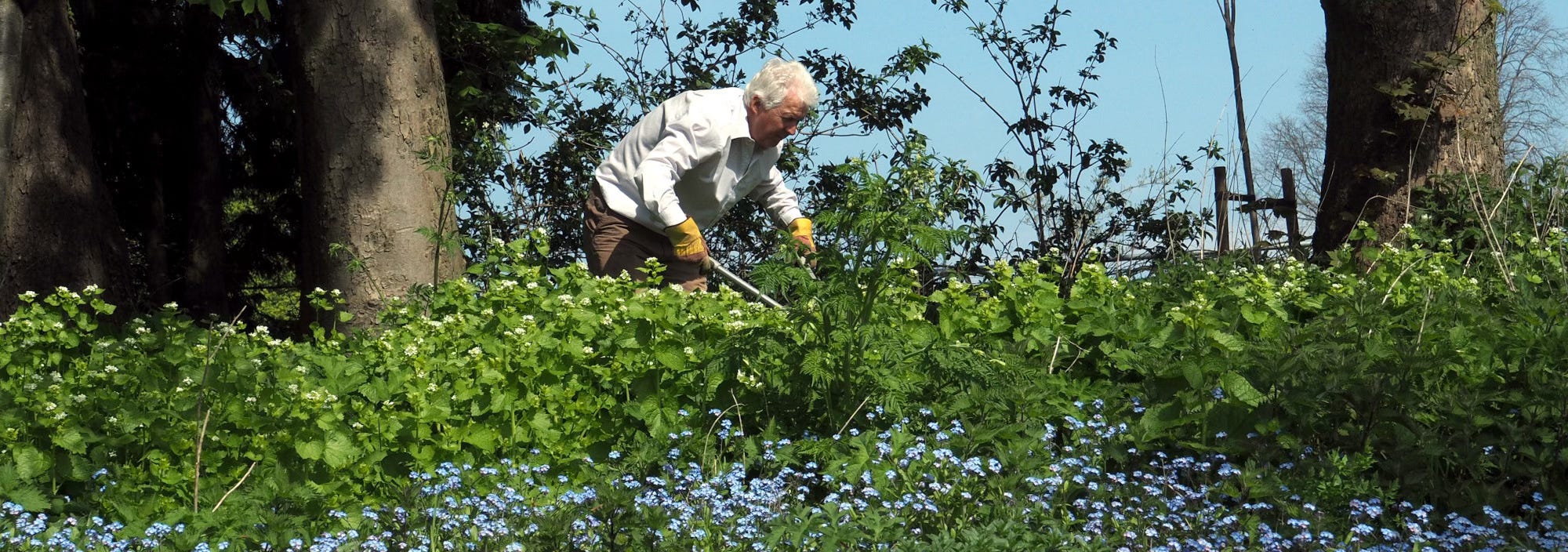
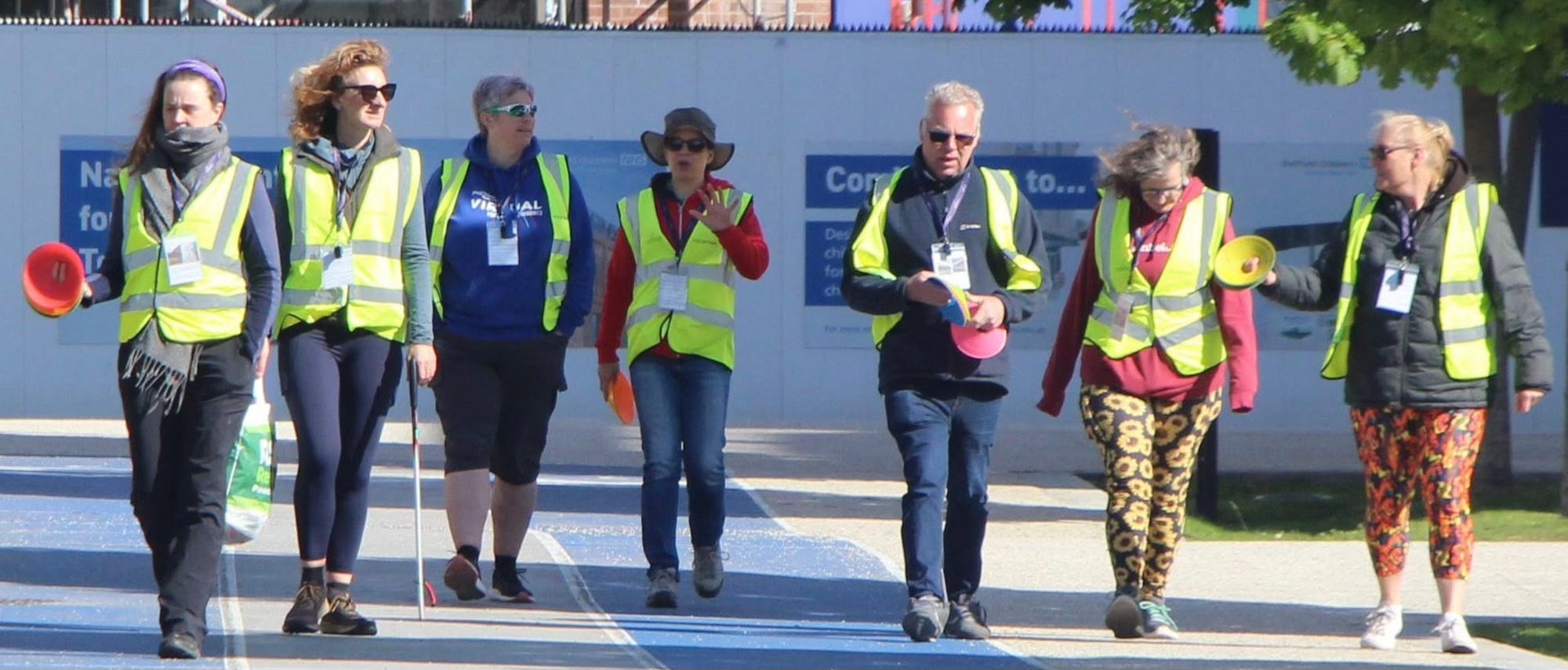
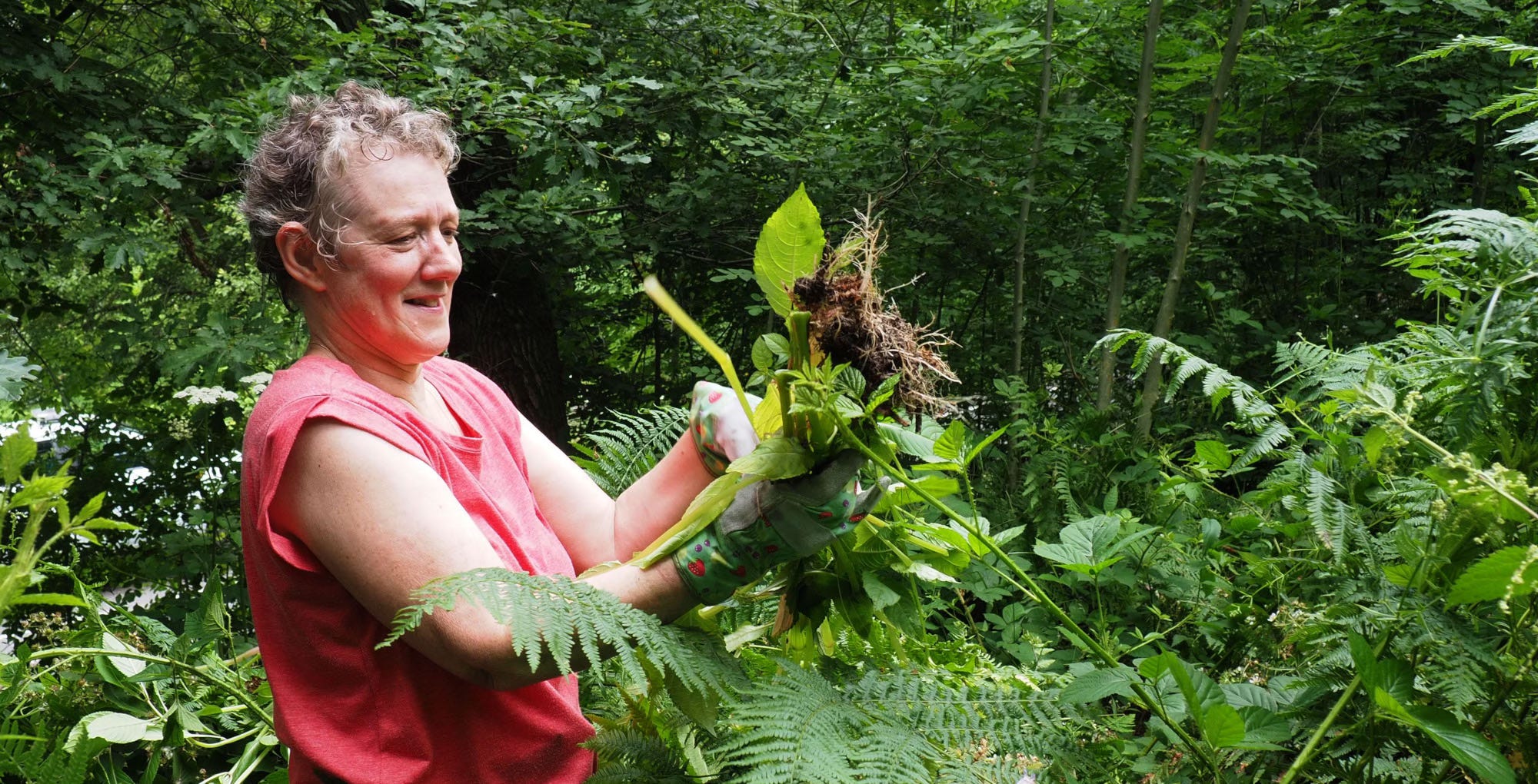
Whether you’re pulling up brambles by the canal, litter picking, packing up at Food Works, cheering on at a junior parkrun, Reyt Repairing at Abbeyfield House, building dead hedges in Shire Brook Valley, or any of the myriad other ways you might participate in Sheffield’s vibrant community life, the benefit to your own health is a happy side effect.
With my GP hat on, I’ll declare a professional interest: for example, sometimes what brings people through my door isn’t a symptom, it’s isolation. Loneliness is a diagnosis medicines cannot treat, but a community can.
Hundreds of busy and sociable volunteer communities are good medicine for all kinds of physical, emotional and social needs in a city like ours. Volunteering, joining in, showing up: it’s good for health, and the evidence is solid enough that it’s practically a prescription. See what jumps out at you from Commoner’s Muck and give it a try.
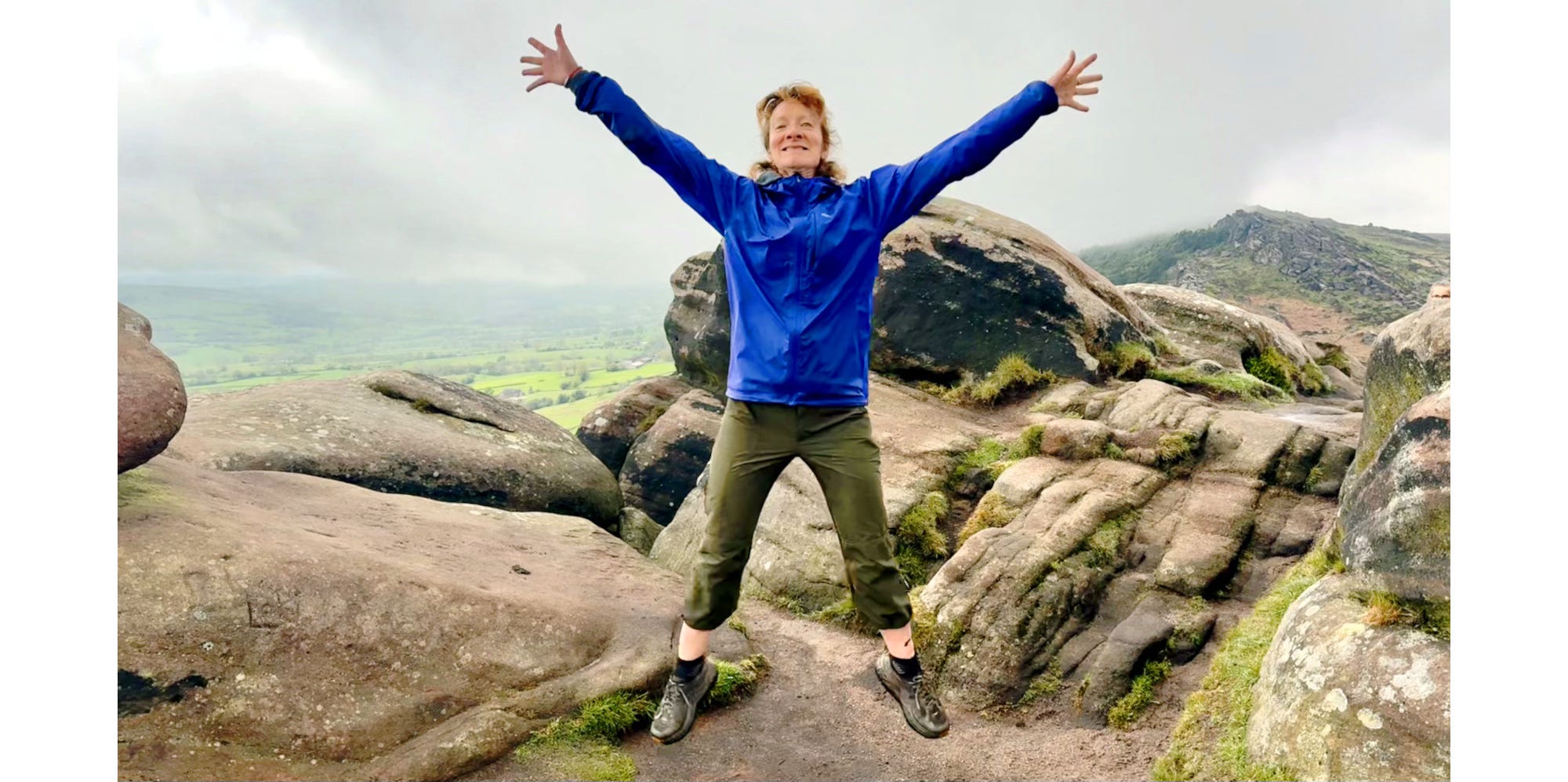
The Good Society
Kate Pickett’s The Good Society is an excellent, broad, well-informed academic read. Pickett has spent three decades as an epidemiologist researching what makes a good society, and it shows on every page. Epidemiology (medicine practised on populations) got a single lecture in my five-year medical curriculum, 30 years ago.
When Pickett and her husband Richard Wilkinson published its predecessor, The Spirit Level, in 2009, it was considered ground-breaking because this important topic had attracted so little attention, from scientists or politicians.
Their work mapped the damage bad societies do: shorter life expectancy, poorer mental health and other serious harms. The Good Society is a follow-on that takes a whirl around the world and back, showing what good societies look like, and how the UK might go about fixing the structural inequalities we may not notice, but impact our own wellbeing, whether we’re aware of them or not.
One thread stayed with me: Pickett’s discussion of Gross National Happiness (GNH), and why it’s better than GDP as a measure of societal success.
It sounds whimsical until you see how seriously Bhutan takes it. GNH rests on four pillars: sustainable development, environmental conservation, cultural preservation, good governance. These are all then measured across nine domains, from psychological wellbeing and health to education, time use, and community vitality.
That last one matters. GNH counts volunteering and neighbourliness as real national wealth, in the same breath as income and life expectancy.
GDP only notices community activity when somebody starts paying for it. A country could be getting richer but its citizens don’t feel the effect of that wealth, in fact, it might well be the opposite.
I’ve also been looking to New Zealand, who shifted budgeting to a wellbeing framework. The question is not whether these measures exist, it’s whether governments choose to act on them.
One important note of caution, community activity is no substitute for good political, people-centred decision making - a lantern procession doesn’t build affordable housing, and a parkrun doesn’t reverse child poverty.
“Community Spirit” has too often been invoked as cover for services being cut, and gaps left to be covered by goodwill. Pickett would resist that reading as strongly as I do. But community activity is a proof of concept: that people want to live this way, and that the ingredients of the good society are habits we already have, and we should recognise they have inherent value. Which brings me to the second book:
Braiding Sweetgrass
Robin Wall Kimmerer’s Braiding Sweetgrass (free through Sheffield Libraries on Libby) weaves together botany and Indigenous Potawatomi wisdom from North America.
One of its earliest lessons comes from the Wild Strawberry - the first fruit of spring, appearing when nobody planted it, waiting by the path to be found.
Kimmerer, a botanist, teacher and member of the Citizen Potawatomi Nation, contrasts this with a market economy: a berry bought in a shop is a commodity, but a berry picked and shared is a gift, and gifts carry obligations: gratitude, then reciprocity. Her refrain runs through the book- all flourishing is mutual.
I read Braiding Sweetgrass before The Good Society, and only in thinking about Commoners Muck have I mentally linked the two.
Pickett describes the structures a good society needs; Kimmerer describes the ethos of someone hauling brambles off a canal bank, expecting nothing back but the satisfaction of making a bit of the city better and a connection with like-minded folk. If you have capacity to give your time, it’s a two-way process. The gift doesn’t deplete the giver; it declares them part of a network where giving and receiving are the same activity.
This isn’t sentiment. It maps onto the research that Pickett details in her book, where it’s called social capital.
Again we should be careful here. Volunteering can improve wellbeing, but it’s no cure for poverty- income is one of the strongest determinants of health there is, and a shift at the Food Works depot doesn’t replace a living wage.
Most of us reading this have enough. If we’re lucky enough to have the luxury of even a little time to spare, the health dividend of participating is real and available now.
That’s not a reason to stop agitating for the structural change Pickett argues for; it’s the two-way benefit of joining in while we wait.
Kimmerer’s honourable harvest is a much bigger concept than volunteering, and it’s worth naming properly: a whole ethos for taking from and living in the world - take only what you need, use what you take wisely, waste nothing, give something back, and never take the first or last of anything.
It’s an ethic for consumption itself, not just for spare time. Commoner’s Muck isn’t asking anyone to take less; it’s making reciprocity findable: a map of places where ordinary Sheffielders are already giving something back, and where you might be able to as well.
Time Well Spent
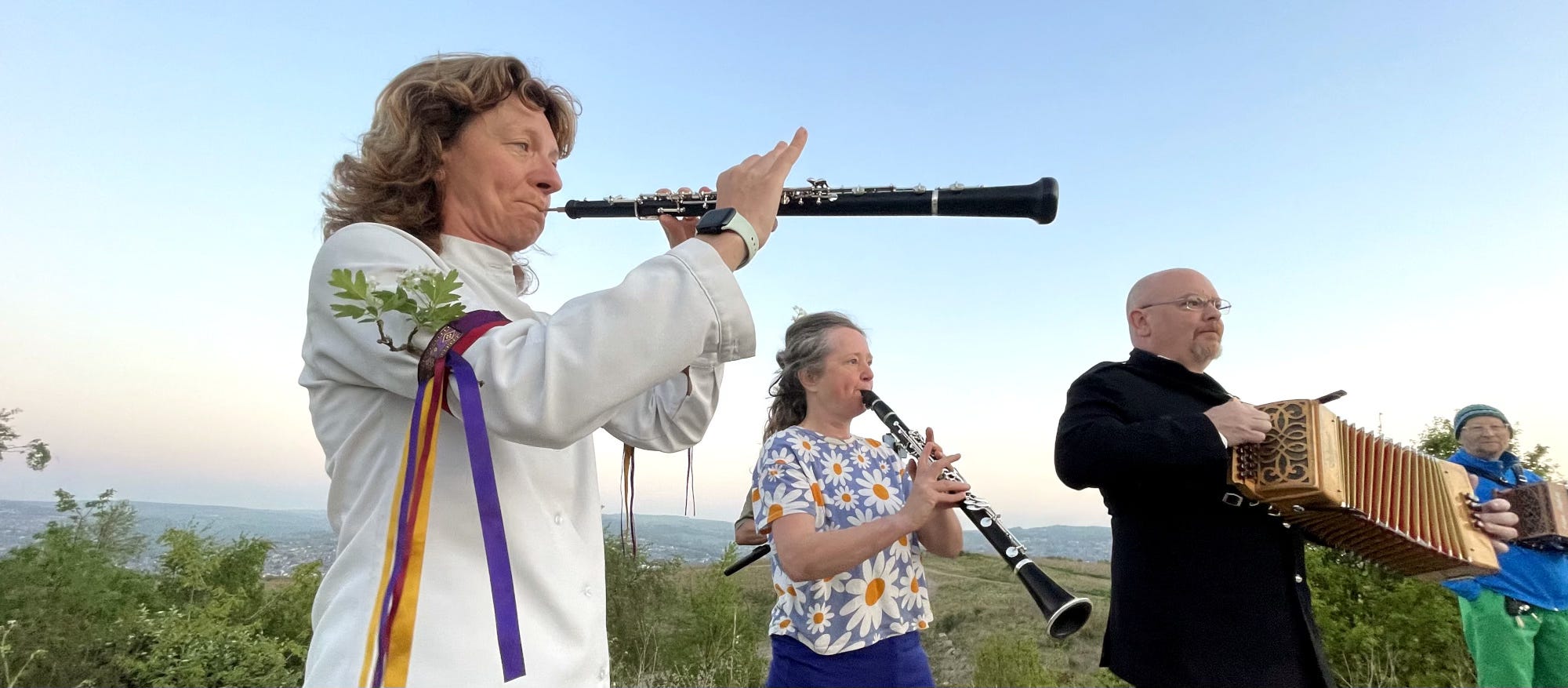
I declared in my first column my love of folk music and custom, which I’ve had since I was born into that world, with parents who loved traditional music, dance, song and ritual. So I don’t feel at all uncomfortable with the folksy and traditional wisdom of Braiding Sweetgrass - I’ve simply brought my medically trained brain along to appreciate Pickett’s work too.
If you’re interested in thinking about society through either of these lenses, or both, I can give them a strong recommendation. It will be time well spent.
Seven Hills, Six Rivers, and Thousands of Volunteers
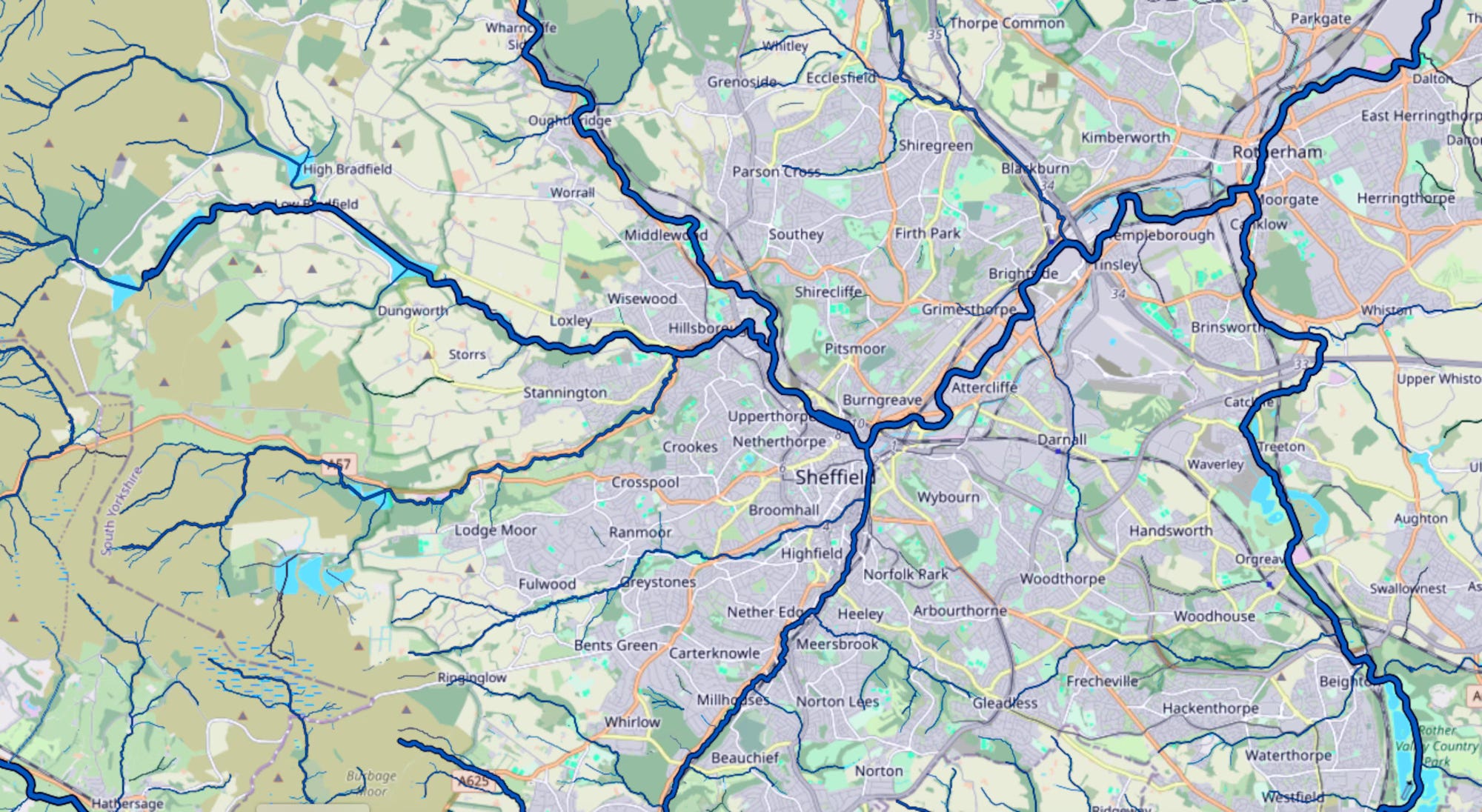
We’re built on our rivers here in Sheffield. And as those of us who grew up in the catchment of the River Rother know, there are six* of them, not the traditional five Sheffield rivers declared by A.I. agents.
So as we try and organise all the hundreds of voluntary organisations Commoner’s Muck will be celebrating, we’ll be doing it around their rivers.
It seems to me that’s how we gravitate anyway: as we head out from home, if we don’t have to toil uphill for work or necessities, we’ll roll (or walk, or run) downhill until we eventually find ourselves by the brook or stream or river who got there long before us.
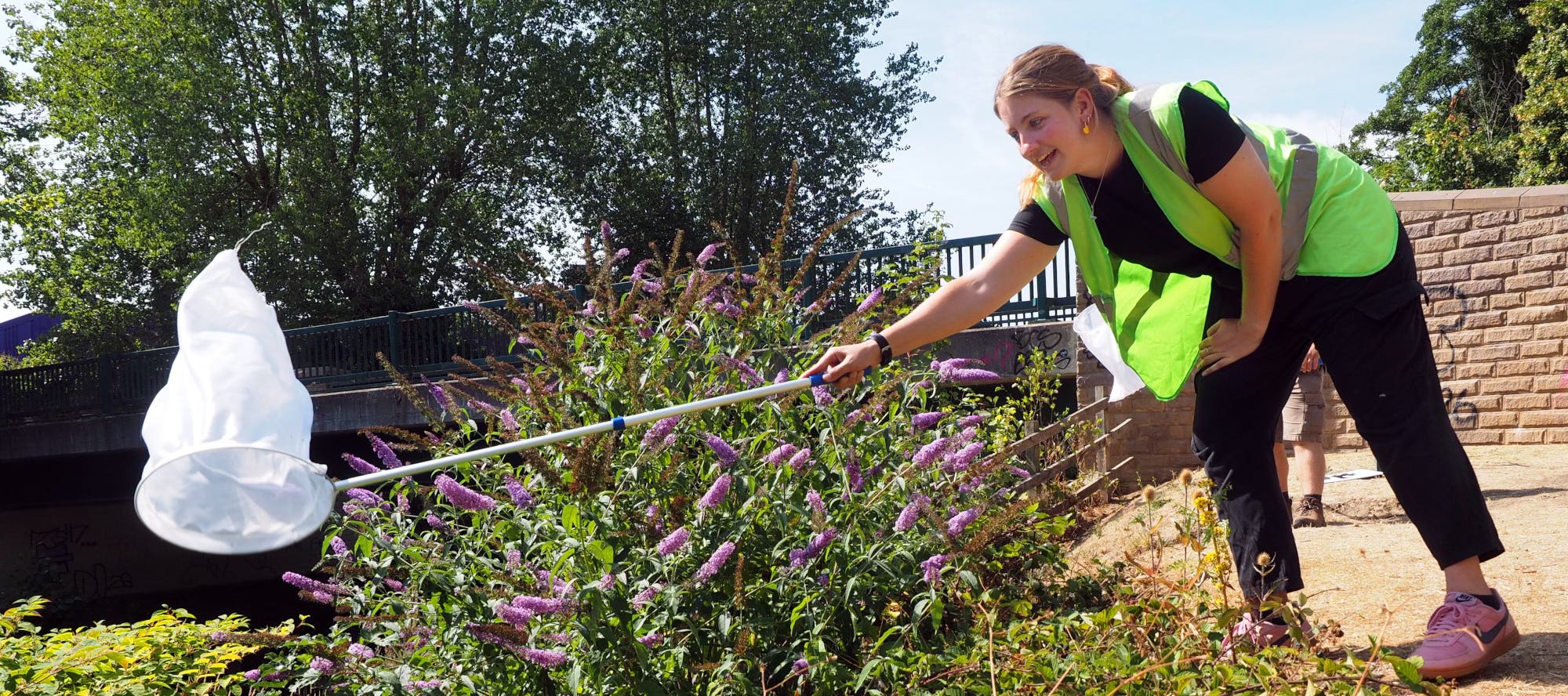
Earlier this month I visited the Don Catchment Rivers Trust, who are doing sterling work across all our waterways, and are themselves helped by lots of volunteers.
So just to start with, here’s a brief starting list of the handful of organisations wading out into all, or several, of our rivers at once. (Soon I’ll be trying to head down each river valley to list the groups working there, so this page is just trying to gather together those organisations working across several river catchments or waterways.)
Don Catchment Rivers Trust - lots of wet work, fishy business and community science along the Don and its tributaries
Riverlution - The River Stewardship Company - how companies and local organisations can help our waterways
Friends of The Blue Loop - The River Stewardship Company - volunteering and clean ups on the River Don and Sheffield and Tinsley Canal
Sheffield & Rotherham Wildife Trust - campaigning, fundraising and volunteering to improve river health and biodiversity
Sheaf & Porter Rivers Trust - campaigning and looking after two of our rivers (or one river and a brook*?) along with tributary brooks including Limb, Abbey, Meers, Old Hay, Totley and Graves Park (aka The Coldstream).
As usual, bear with us as we get to grips with all the groups involved, and please let me know if I’ve missed out any other local organisations with a general waterway interest. Groups covering one particular river will be arriving here soon.
You might also like to keep an eye on some of the agencies charged with looking after our rivers:
Sheffield Council - who have a Waterways Strategy Group, and an official City Of Rivers strategy (2014) due to be incorporated any year soon into a new green and blue space strategy.
Note: * Maybe we do only have the five rivers, Don, Loxley, Rivelin, Sheaf and Rother running through or at the side of Sheffield. Is the popular Porter Brook a brook or a river? We’d be very pleased to see your thoughts in the comments below.
There’ll be more to come soon, on all the pages across Commoner’s Muck. We’ll have email updates every week or two now, but the online version, via your browser or the free Substack app, will always be the most up to date information we have.
Please tell everyone you know about Commoner’s Muck, and it really helps us if you subscribe as a free or full supporter to help us to keep going and growing.
Or if you can run to a mere £4 a month to become a full subscriber to both Commoner’s Muck and It’s Looking a Bit Black Over Bill’s Mother’s, it helps us pay the bills to keep this social enterprise running. Thanks for reading.
I think it only fair to add the various friends groups who work on our less famous waterways, including the Friends of Charlton Brook in the north and the Shire Brook Valley Heritage Group in the south.