


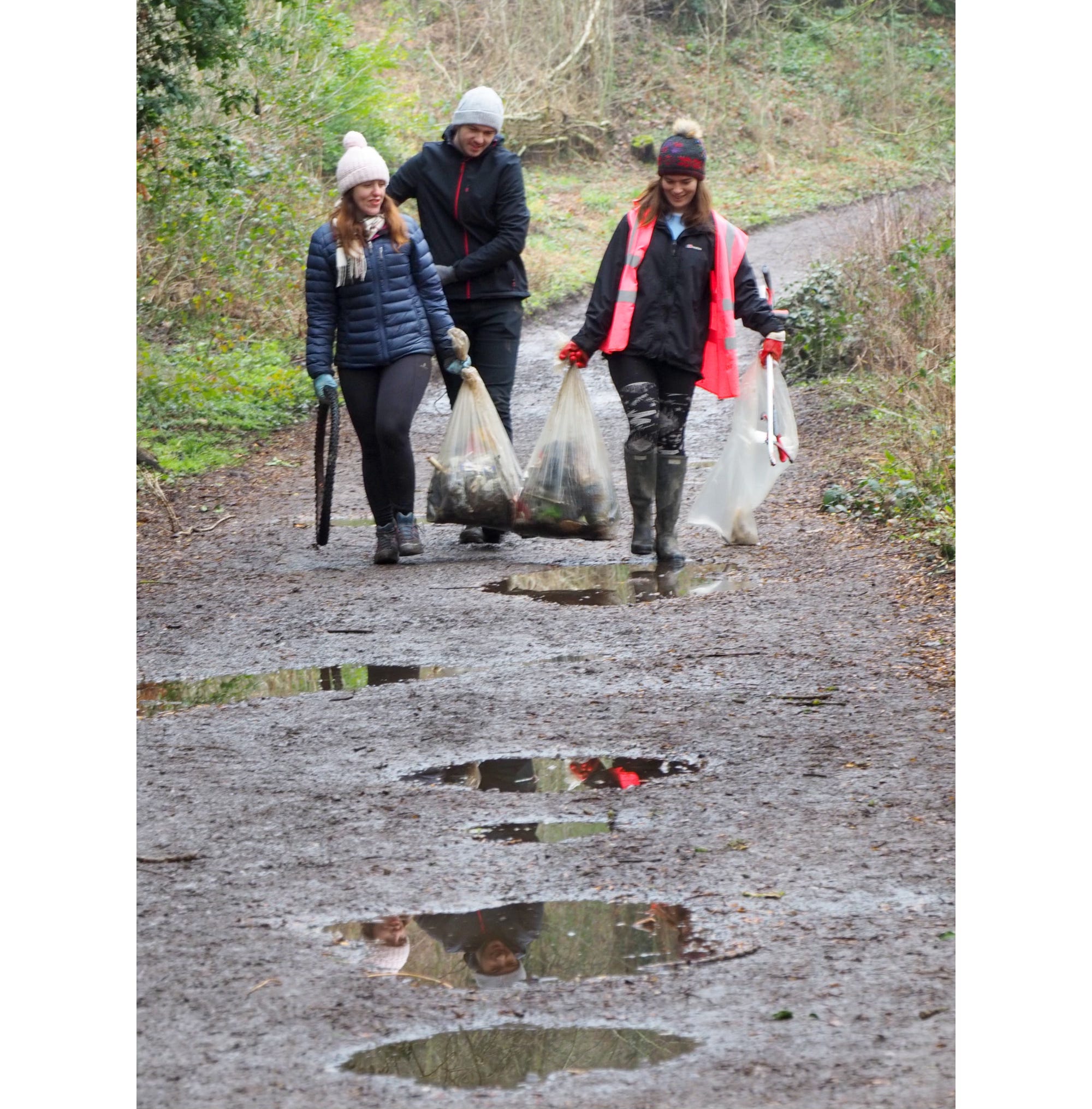
At the last count, there were at least 250 voluntary groups working in the rain, wind, sun and mud to help make the Outdoor City what it is. Even more people are out there every day in the wilds of the Peak District.
Last year, Sheffield Council estimated that the Friends and voluntary groups helping to look after our parks, woodlands, rivers and meadows were worth at least two million pounds a year to the city.
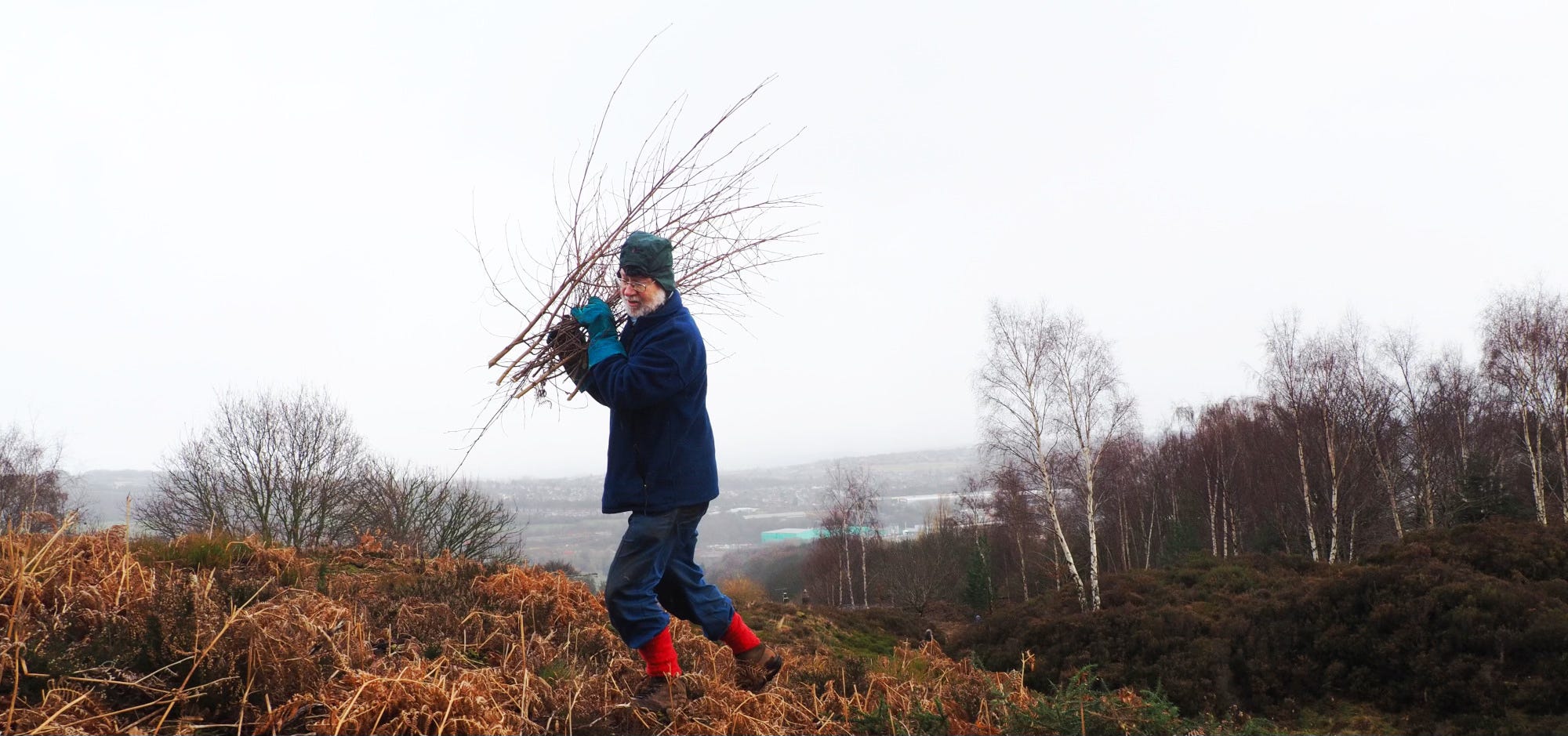
Our new Commoner’s Muck section will be a slow and patient publication providing stories and information to celebrate all these endeavours, and offer ideas about how readers and their mates can join in the fun. And be in no doubt, every single wild place volunteer is doing what they do for fun, not just for public service.
We’ll eventually have pages on who all those voluntary groups are, and how to get involved, stories on what they’re doing, and hopefully regular updates on new ideas and possibilities for Friends groups and others.
But it will be a slow and patient process, so please bear with me and my very basic Substack and IT skills to make all this happen.
Obviously, we want you to tell all your mates and hopefully get them to subscribe:
Or, if you like what we’re doing here, and can run to a mere £4 a month to become a full subscriber to both Commoner’s Muck and It’s Looking a Bit Black Over Bill’s Mother’s, we‘re now only 29 people away from our fanfare target of 380 full supporters, when we can start employing local freelances to help us publish all this stuff.
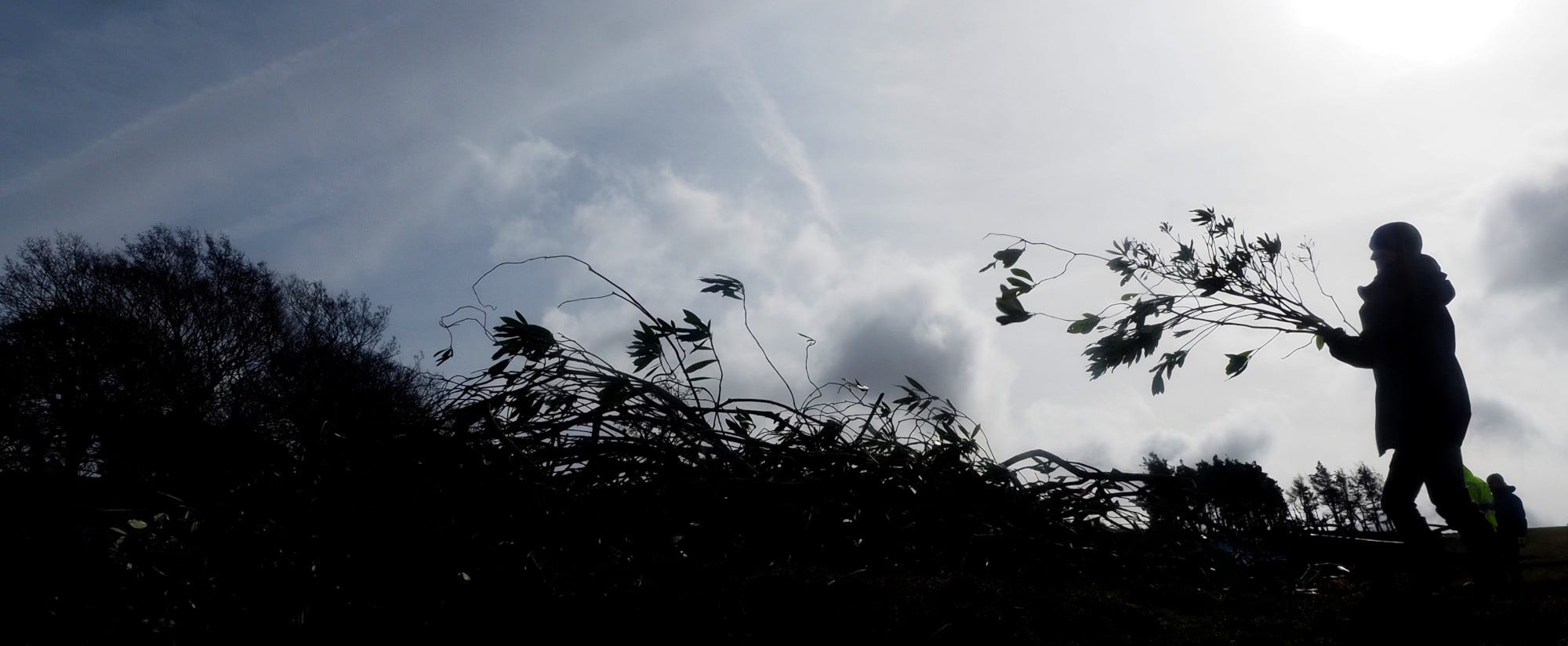
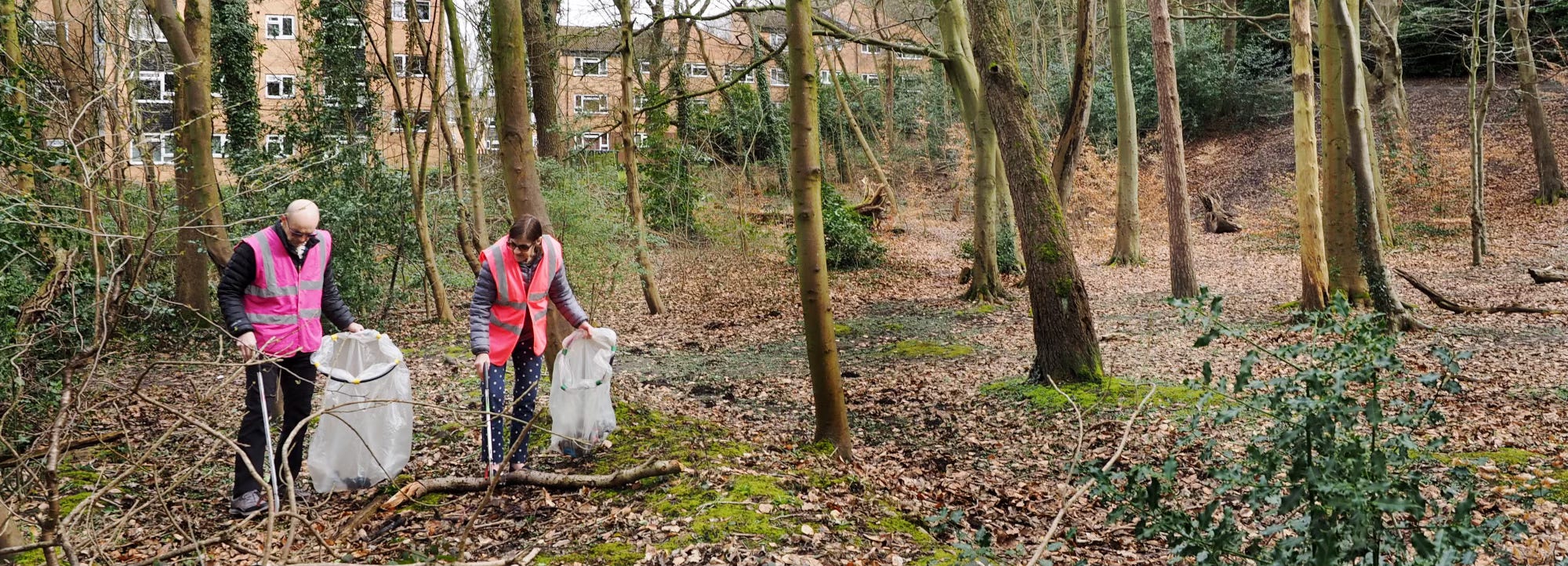
So, why the name? It came from a muddy winter’s day up at Wadsley Common, where I’d been talking to a working group from the Wadsley and Loxley Commoners. They’d been clearing several woodland trails, and were wading up and down a path that was more of a quagmire, when a few of us stopped for a rest and surveyed the slippery route ahead. “It’s muck,” one of them said. “But it’s Commoner’s muck.”
You could argue that much of our wild land was taken away from our ancestors long ago, people who’d worked and played on the commons for generations, when they were open to all of us.
Until the fences went up to keep out all those unruly folk who were common as muck. Maybe now, the act of volunteering to help look after our wild places, when our leaders can’t or won’t find the resources to do so, is part of the nationwide land reclamation movement? Let us know what you think in the comments below.
Whatever the reasons, Sheffield is a national and maybe world leader in voluntary land stewardship, so we hope the time has come for a publication to celebrate commoners and their muck.
There’ll be a lot more to come here soon. For now, I just wanted to get this publication started, so if you have any ideas, comments, or leads, please get in touch via the comments below, or if you prefer by email at bbobillsmothers@gmail.com.
In the meantime, here are a few posts from the past about the phenomenal volunteers of Sheffield and the Peak District. Note these are posts from our huge archive, reopened here for Commoner’s Muck readers for free, and some date back a few years, so please bear that in mind.
Sheffield Litter Pickers: Move Fast and Fix Things
How thousands of voluntary litter pickers across Sheffield have learned how to hold back the trash and takeaway tides.
The canny crew opening up the River Sheaf and Porter Brook thanks to an unlikely underground tourist attraction:
Take Me To The Rivers

If a Greek philosopher turned up one day for the Sheffield city centre culvert tour, they’d be keen to point out the impermanence of the river lapping round their sandals.
The Friends and phantoms of Wardsend Cemetery:

A multi-volunteer post: How the Herbs are helping Broomhall to thrive, plus saving a moorland brook, and the cargo bike food bank volunteer:
Sunday at Bill's Mother's: 6th April 2025

Seedbombs, food banks on a bike and Solarpunk this week, and out there news.
Thanks again to all the 350+ wonderful full supporters who’ve already joined our unique publishing social enterprise to bring these posts to you and thousands of other readers around Sheffield (and the world!)
But please remember, the more readers we have, the more we can do, so please share this post with everyone! Thanks for reading.
Love this new foray... And the name/origin is perfect.
Shout out to Steel Valley Project and their volunteering arm.
This is great - thank you!
However, it is a misconception to say that prior to inclosure commons belonged to everyone. The land belonged to whoever was Lord of the Manor (or, occasionally, Lady of the Manor). Some people had rights on the common, but that didn't amount to ownership. In practice, people could cross commons and not really have to stick to any particular line, but unless there was a recognised highway across the common it was difficult to prove that everyone (all the King's subjects) had a right to cross.